Hey there, fellow gardeners! I’m a supplier of disinfectant wipes, and I get this question a lot: "Can I use disinfectant wipes on my gardening tools?" Well, let’s dig into this topic and find out. Disinfectant Wipes
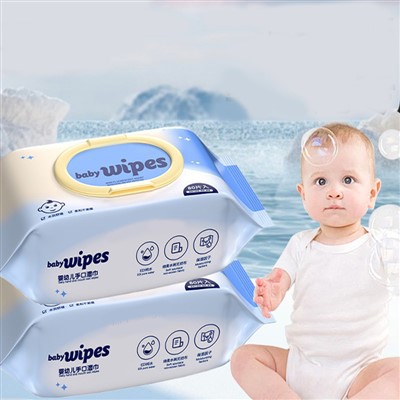
First off, why would you even want to disinfect your gardening tools? Gardening tools can pick up all sorts of nasties. There are fungi, bacteria, and viruses lurking in the soil, on plants, and even in the air. When you use your tools, these pathogens can hitch a ride from one plant to another. For example, if you’re pruning a diseased plant and then use the same shears on a healthy one without cleaning them, you’re basically spreading the disease. That’s where disinfectant wipes come in handy.
Now, let’s talk about the types of disinfectant wipes I supply. We’ve got different formulas, each designed to tackle specific kinds of germs. Some wipes are alcohol – based. Alcohol is a great disinfectant. It works fast, killing a wide range of bacteria and viruses. It evaporates quickly, so you don’t have to worry about leaving a residue on your tools. However, alcohol can be a bit harsh on some materials. If your gardening tools have rubber grips or plastic parts, the alcohol might cause them to crack or degrade over time.
Then there are the quaternary ammonium compound (quat) – based wipes. Quats are effective against a variety of pathogens, including fungi. They’re less harsh than alcohol, so they’re a good choice for tools with sensitive components. They also leave a bit of a protective film on the surface, which can help prevent future contamination.
So, can you actually use these wipes on your gardening tools? The short answer is yes, but with some caveats.
For metal tools like shovels, hoes, and pruning shears, disinfectant wipes are a great option. Metals are generally durable and can withstand the chemicals in the wipes. Just wipe down the blade, the shaft, and any other parts that come into contact with soil or plants. Make sure to cover all the surfaces, especially the nooks and crannies where dirt and germs can hide.
If you have wooden – handled tools, you need to be a bit more careful. Wood is porous, and it can absorb the chemicals in the wipes. This might cause the wood to warp or discolor. You can still use the wipes on the metal parts of the tool, but it’s best to avoid getting the wipes too wet on the wooden handle. If you do accidentally get the handle wet, dry it off immediately.
Plastic and rubber – part tools also need special attention. As I mentioned earlier, alcohol – based wipes can be too harsh. Quat – based wipes are usually a better choice. Before using the wipes on a large area, it’s a good idea to test them on a small, inconspicuous part of the tool to make sure there’s no adverse reaction.
Another thing to keep in mind is how often you should disinfect your tools. If you’re working in a healthy garden with no signs of disease, you can disinfect your tools every few weeks or after a major gardening project. But if you’re dealing with a diseased plant, you should disinfect your tools immediately after using them on that plant. This will prevent the spread of the disease to other parts of your garden.
Now, let’s talk about the proper way to use disinfectant wipes on your gardening tools. Start by removing any visible dirt or debris from the tools. You can use a brush or a cloth to wipe off the dirt. Then, take a disinfectant wipe and fold it so that you have a clean surface to work with. Wipe the tool in a back – and – forth motion, making sure to cover all the surfaces. Let the tool air dry for a few minutes. This will allow the disinfectant to do its job.
Some people might wonder if there are any alternatives to using disinfectant wipes. You can use a solution of bleach and water. Mix one part bleach with nine parts water. Soak your tools in the solution for about 10 – 15 minutes, then rinse them thoroughly with water and dry them. However, bleach can be corrosive to some metals, so it’s not always the best option.
There are also natural disinfectants like vinegar. Vinegar has antibacterial and antifungal properties. You can soak your tools in a solution of vinegar and water for a while. But keep in mind that vinegar might not be as effective as commercial disinfectants against some tough pathogens.
In conclusion, using disinfectant wipes on your gardening tools is a great way to keep your garden healthy. It’s easy, convenient, and can save you a lot of trouble in the long run. Just make sure to choose the right type of wipe for your tools and use them correctly.

If you’re interested in buying our high – quality disinfectant wipes for your gardening needs, don’t hesitate to reach out. We offer a variety of options to suit different budgets and requirements. Whether you’re a professional gardener or just someone who loves to tend to their backyard, our wipes can help you keep your tools clean and your garden thriving. Contact us to start a procurement discussion, and let’s work together to make your gardening experience even better.
Kitchen Wipes References
- "Gardening Tool Maintenance: Cleaning and Disinfection", horticultural research publications
- "Disinfectants and Their Use in Horticulture", agricultural extension service reports
Shanghai Joy Crown Industry Co., Ltd.
As one of the most professional disinfectant wipes manufacturers and suppliers in China, our company have world-leading production equipment and strong manufacturing capabilities. Please feel free to buy high quality disinfectant wipes made in China here from our factory. Contact us for OEM service.
Address: No.55-56 Lane 21 Pu San Road, Pudong New Area, 200125 Shanghai, P.R.China.
E-mail: sales@joybiowipes.com
WebSite: https://www.joybiowipes.com/
