Hey there! I’m a supplier of insulating sleeves, and today I wanna talk about something super important in our field: the insulation resistance of an insulating sleeve. Insulating Sleeve

Let’s start from the basics. Insulation resistance is basically a measure of how well an insulating material can resist the flow of electric current. For an insulating sleeve, it’s a key factor that determines its performance and safety. You see, in electrical systems, we use insulating sleeves to protect wires and components from short – circuits and electrical shocks. And the insulation resistance is what tells us how good that protection is.
Think of it like a wall. A high – quality wall keeps the bad stuff out, right? Well, an insulating sleeve with high insulation resistance acts as a strong wall against the flow of electricity. It stops the current from leaking out of the wires and causing all sorts of problems.
Now, how do we measure this insulation resistance? We use a special tool called an insulation resistance tester. It sends a small DC voltage through the insulating sleeve and measures the resulting current. Then, using Ohm’s law (you know, V = IR), we can calculate the insulation resistance. The unit of measurement for insulation resistance is ohms, and we usually talk about it in megaohms (MΩ) because the values are often quite large.
So, what affects the insulation resistance of an insulating sleeve? There are a few things. First off, the material of the sleeve matters a lot. Different materials have different inherent insulating properties. For example, rubber is a pretty good insulator, and so is silicone. These materials have high molecular structures that make it difficult for electrons to move through them, which means they have high insulation resistance.
The thickness of the sleeve also plays a role. A thicker sleeve generally has higher insulation resistance because there’s more material for the current to try and pass through. It’s like having a thicker wall – it’s harder to break through.
Another factor is the environment. If the sleeve is exposed to high temperatures, humidity, or chemicals, its insulation resistance can decrease. High temperatures can cause the material to expand and become more conductive. Humidity can introduce moisture, which is a conductor of electricity. And chemicals can react with the material and damage its insulating properties.
Let’s talk about why insulation resistance is so crucial. In industrial applications, electrical equipment needs to be reliable and safe. If the insulation resistance of an insulating sleeve is too low, it can lead to electrical breakdown. This means that the current can break through the insulation and cause short – circuits, which can damage the equipment and even pose a safety risk to the operators.
In the consumer electronics world, insulation resistance is also important. Your phone charger, for example, has insulating sleeves on the wires. If the insulation resistance is poor, it could lead to electrical leakage, which might give you a shock when you touch the charger.
As a supplier of insulating sleeves, I always make sure that the products we offer have high insulation resistance. We use top – quality materials and strict manufacturing processes to ensure that each sleeve meets the required standards.
We test every batch of insulating sleeves we produce. We use state – of – the – art insulation resistance testers to measure the resistance and make sure it’s within the acceptable range. If a batch doesn’t meet our standards, we don’t send it out. We believe in providing our customers with the best – quality products that they can rely on.
Now, you might be wondering how to choose the right insulating sleeve based on insulation resistance. Well, it depends on your application. If you’re working in a high – voltage environment, you’ll need a sleeve with a very high insulation resistance. On the other hand, if it’s a low – voltage application, you might be able to get away with a sleeve with a slightly lower resistance.
It’s also important to consider the long – term performance of the sleeve. You want a sleeve that can maintain its insulation resistance over time, even in harsh environments. That’s why we offer sleeves made from materials that are resistant to heat, humidity, and chemicals.
If you’re in the market for insulating sleeves, I’d love to have a chat with you. Whether you’re an industrial manufacturer, an electronics hobbyist, or just someone who needs a reliable insulating solution, we’ve got you covered. We can help you choose the right sleeve based on your specific requirements and budget.
We’re always looking to build long – term relationships with our customers. We understand that your success depends on the quality of the products you use, and we’re committed to providing you with the best. So, if you have any questions or if you’re interested in purchasing our insulating sleeves, don’t hesitate to reach out. We’re here to help you make the right choice.
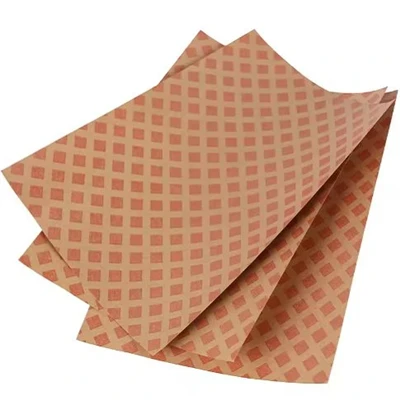
In conclusion, the insulation resistance of an insulating sleeve is a critical factor that determines its performance and safety. As a supplier, we take this very seriously and do everything we can to ensure that our products meet the highest standards. If you’re in need of insulating sleeves, give us a chance to show you what we can do.
Carbon Fiber Flexibility References:
- Electrical Insulation Handbook by Peter M. Anderson
- Insulation Materials and Systems: Design, Properties, and Applications by John W. Kolar
Wenzhou Gisen Insulation Material Co., Ltd.
As one of the most professional insulating sleeve manufacturers and suppliers in China, we’re featured by quality products and good service. Please rest assured to wholesale customized insulating sleeve from our factory. Contact us for quotation and free sample.
Address: Diyan Industrial Zone, Wengyang Subdistrict, Yueqing City, Zhejiang Province
E-mail: gisen888@126.com
WebSite: https://www.giseninsulation.com/
