Hey there! I’m a supplier of cellulose ethers, and I often get asked about the shelf life of these nifty products. So, I thought I’d sit down and write a blog post to clear up any confusion. Cellulose Ethers

First off, let’s talk about what cellulose ethers are. They’re basically derivatives of cellulose, which is a natural polymer found in plants. Cellulose ethers are used in a whole bunch of industries, like construction, food, pharmaceuticals, and cosmetics. They’re known for their thickening, stabilizing, and binding properties, which make them super useful in a wide range of applications.
Now, onto the main question: what’s the shelf life of cellulose ethers? Well, the answer isn’t as straightforward as you might think. It depends on a few different factors, like the type of cellulose ether, how it’s stored, and the conditions it’s exposed to.
Let’s start with the type of cellulose ether. There are several different types, including methyl cellulose (MC), hydroxypropyl methyl cellulose (HPMC), carboxymethyl cellulose (CMC), and hydroxyethyl cellulose (HEC). Each type has its own unique properties and characteristics, which can affect its shelf life.
For example, MC and HPMC are generally more stable than CMC and HEC. This is because MC and HPMC have a higher degree of substitution, which means they’re less likely to react with other substances and break down over time. CMC and HEC, on the other hand, are more prone to degradation, especially in the presence of moisture and heat.
Another factor that can affect the shelf life of cellulose ethers is how they’re stored. Cellulose ethers should be stored in a cool, dry place, away from direct sunlight and moisture. They should also be kept in their original packaging, which is designed to protect them from the elements.
If cellulose ethers are stored properly, they can have a shelf life of up to two years. However, if they’re exposed to high temperatures, humidity, or other adverse conditions, their shelf life can be significantly reduced.
So, how can you tell if your cellulose ethers have gone bad? Well, there are a few signs to look out for. If the cellulose ethers have changed color, texture, or odor, it’s a good indication that they’ve started to degrade. You might also notice that they’re not performing as well as they used to, or that they’re causing problems in your application.
If you suspect that your cellulose ethers have gone bad, it’s best to err on the side of caution and replace them. Using degraded cellulose ethers can lead to a variety of issues, including reduced performance, product failure, and even safety hazards.
Now, I know what you’re thinking: "This all sounds great, but how can I make sure my cellulose ethers last as long as possible?" Well, here are a few tips to help you extend the shelf life of your cellulose ethers:
- Store them properly: As I mentioned earlier, cellulose ethers should be stored in a cool, dry place, away from direct sunlight and moisture. Make sure they’re kept in their original packaging, and don’t expose them to high temperatures or humidity.
- Use them within the recommended time frame: Most cellulose ethers have a recommended shelf life of two years. Make sure you use them within this time frame to ensure optimal performance.
- Keep them away from contaminants: Cellulose ethers can be easily contaminated by other substances, such as dust, dirt, and chemicals. Make sure you keep them away from these contaminants to prevent degradation.
- Check them regularly: It’s a good idea to check your cellulose ethers regularly for signs of degradation. If you notice any changes in color, texture, or odor, it’s best to replace them.
By following these tips, you can help ensure that your cellulose ethers last as long as possible and perform at their best.
So, there you have it! That’s everything you need to know about the shelf life of cellulose ethers. If you have any more questions or if you’re interested in purchasing cellulose ethers, feel free to reach out to me. I’d be happy to help you find the right product for your needs.
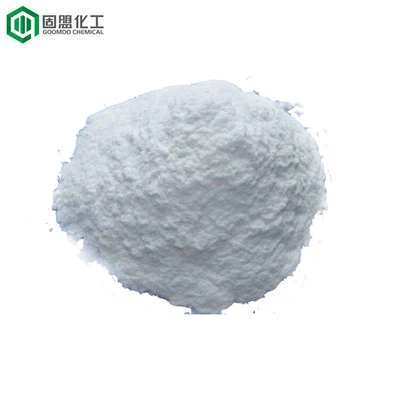
Thanks for reading!
Bismuth Nitrate Pentahydrate References:
- "Cellulose Ethers: Properties and Applications" by R. A. Young and S. M. Rowell
- "Handbook of Cellulose Derivatives" by T. Heinze and D. Klemm
- "Cellulose Ethers in Construction" by M. A. Vázquez and J. M. García
Changsha Goomoo Chemical Technology Co., Ltd.
With abundant experience, we are one of the most reliable cellulose ethers manufacturers and suppliers in China. We warmly welcome you to buy customized cellulose ethers made in China here from our factory. If you have any enquiry about free sample, please feel free to email us.
Address: No.61,Jinma Road,Kaifu District Changsha 41005,Hunan,P.R.China
E-mail: allen@goomoochina.com
WebSite: https://www.gumchem.com/
