Hey there! As a supplier of solenoid valves, I often get asked about the pressure rating of these valves. It’s a crucial topic, and I’m here to break it down for you in a way that’s easy to understand. Solenoid Valves

Let’s start with the basics. What exactly is the pressure rating of a solenoid valve? Well, it’s the maximum pressure that the valve can handle safely and effectively without any issues like leaks or damage. You can think of it as the valve’s "strength limit" when it comes to pressure.
Why does the pressure rating matter so much? Imagine you’re using a solenoid valve in an industrial process where there’s a high – pressure fluid flowing through it. If the valve’s pressure rating is too low, it can fail. This could lead to all sorts of problems, from minor leaks to major system failures that could shut down an entire operation. On the other hand, if you choose a valve with a much higher pressure rating than you actually need, you’re likely spending more money than necessary.
There are a few factors that affect the pressure rating of a solenoid valve. First up is the valve’s design. The way a valve is built plays a huge role in how much pressure it can handle. For example, valves with thicker walls and stronger materials are generally able to handle higher pressures. Some valves are designed with special seals and gaskets that can withstand high – pressure environments.
The material of the valve is also super important. Solenoid valves can be made from different materials like brass, stainless steel, and plastic. Each material has its own pressure – handling capabilities. Brass is a popular choice because it’s relatively strong and corrosion – resistant. Stainless steel is even stronger and can handle higher pressures, making it a great option for heavy – duty applications. Plastic valves, while lightweight and often more affordable, usually have a lower pressure rating and are better suited for low – pressure systems.
The size of the valve can impact its pressure rating too. Generally, smaller valves can handle higher pressures per unit area compared to larger valves. This is because the forces acting on the valve’s components are more concentrated in a smaller space.
Now, let’s talk about how you can find the right pressure rating for your application. First, you need to know the maximum pressure that will be present in your system. This might require some measurements or calculations. Once you have that number, it’s a good idea to choose a valve with a pressure rating that’s slightly higher than the maximum system pressure. This gives you a safety margin in case there are any sudden pressure spikes in your system.
For example, if your system has a maximum operating pressure of 100 psi (pounds per square inch), you might want to choose a valve with a pressure rating of 125 psi or more. This extra buffer can help prevent valve failure and keep your system running smoothly.
It’s also important to consider the type of fluid that will be flowing through the valve. Different fluids can have different properties that affect the valve’s performance. For example, corrosive fluids might require a valve made from a more resistant material, and viscous fluids might need a valve with a larger orifice to allow for proper flow.
In the world of solenoid valves, there are different standards and ratings that you might come across. For instance, some valves are rated in bar, which is another unit of pressure measurement. One bar is approximately equal to 14.5 psi. So, if you see a valve rated at 10 bar, it can handle a pressure equivalent to about 145 psi.
We at our company understand the importance of getting the pressure rating right. That’s why we offer a wide range of solenoid valves with different pressure ratings to meet the needs of various applications. Whether you’re working on a small – scale project or a large industrial system, we’ve got you covered.
Our team of experts is always ready to help you select the right valve for your specific requirements. We can take into account factors like your system pressure, the type of fluid, and the operating environment to recommend the best valve for you.
If you’re in the market for solenoid valves and want to make sure you’re getting the right pressure rating, don’t hesitate to reach out to us. We’re here to make the process as easy as possible for you. Whether you have a question about a specific valve or need help with a custom application, we’re just a message away.
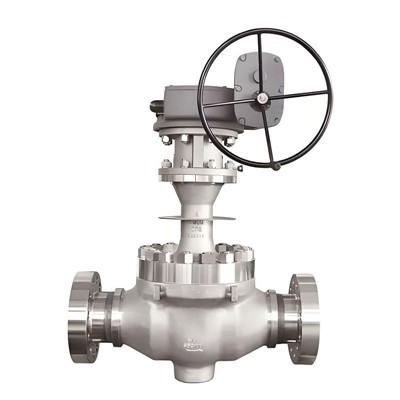
In conclusion, the pressure rating of solenoid valves is a critical aspect that you can’t afford to ignore. By understanding what it is, what factors affect it, and how to choose the right rating for your application, you can ensure the reliable and efficient operation of your system. So, if you’re looking for high – quality solenoid valves with accurate pressure ratings, give us a shout. We’re confident that we can provide you with the perfect solution for your needs.
Ball Valve References:
- "Industrial Valves Handbook" by Valve Manufacturers Association
- "Fluid Power Technology" by various experts in the field
Wuxi PYNOS Flow-tech Co., Ltd.
As one of the leading solenoid valves manufacturers and suppliers in China, we offer a wide range of products with superior quality. We warmly welcome you to buy high quality solenoid valves made in China here from our factory. We also accept customized orders.
Address: Sales Center: 7th Floor, No.19 Qingyuan RD, Wuxi City, Jiangsu Prov., China
E-mail: Info@pynosvalve.com
WebSite: https://www.pynosvalves.com/
