Hey there! I’m a supplier of special structure molds, and I’ve been getting a bunch of questions lately about whether these molds can be recycled. So, I thought I’d sit down and write this blog to share what I know and shed some light on this hot topic. Special Structure Mold
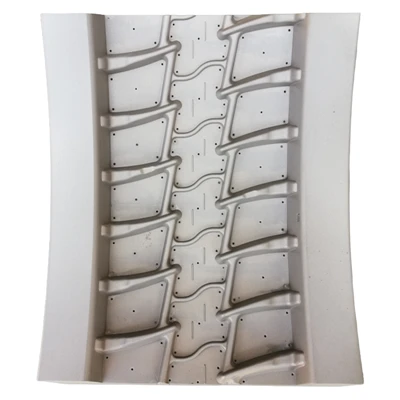
First off, let’s talk a bit about what special structure molds are. These aren’t your ordinary run – of – the – mill molds. They’re designed with unique shapes and features to meet specific manufacturing needs. Whether it’s for the automotive industry, aerospace, or electronics, these molds are crucial for creating components with precise geometries. From complex curved surfaces to intricate internal structures, special structure molds are the unsung heroes behind a lot of high – quality products we use every day.
Now, onto the big question: Can they be recycled? The short answer is yes, but it’s a bit more complicated than just tossing them into a recycling bin.
One of the main factors that determine the recyclability of special structure molds is the material they’re made from. Most of these molds are crafted from metals like steel, aluminum, or alloys. Metals are generally highly recyclable. Steel, for example, is one of the most recycled materials in the world. Recycling steel saves a ton of energy compared to producing new steel from raw materials. According to the American Iron and Steel Institute, recycled steel uses about 74% less energy than virgin steel production. That’s a huge win for the environment!
When it comes to aluminum, it’s also incredibly recyclable. Recycling aluminum saves up to 95% of the energy required to produce new aluminum from bauxite ore. So, if your special structure mold is made of aluminum, there’s a good chance it can be recycled efficiently.
But here’s the catch. Special structure molds often have complex designs, which can make the recycling process more challenging. The intricate shapes and internal features might require additional processing steps to break them down into reusable materials. For instance, if a mold has multiple layers or is coated with special materials for better performance, these need to be removed or separated before recycling.
Another aspect to consider is the wear and tear of the mold. Over time, molds can experience a lot of stress during the manufacturing process. They might get scratched, worn out, or develop cracks. In some cases, if the damage is too severe, the mold might not be worth recycling because the cost of processing it into reusable material could be higher than the value of the recycled material itself.
However, there are ways to improve the recyclability of special structure molds. One approach is to design them with recyclability in mind from the start. This means using fewer different materials in the mold construction and avoiding complex coatings that are difficult to remove. By keeping the design as simple as possible, it becomes easier to recycle the mold at the end of its life.
Moreover, regular maintenance of the molds can extend their lifespan. The longer a mold can be used, the less frequently it will need to be replaced, and the less waste is generated. Simple things like cleaning the mold after each use, lubricating moving parts, and inspecting it for damage can make a big difference.
Now, let’s chat about the environmental and economic benefits of recycling special structure molds. From an environmental perspective, recycling reduces the demand for raw materials. This helps conserve natural resources and cuts down on the environmental impact associated with mining and refining new metals. It also reduces greenhouse gas emissions, as the energy required for recycling is much less than that for producing new materials.
Economically, recycling can be a win – win for both manufacturers and suppliers. Manufacturers can save money on purchasing new molds by recycling their old ones when it’s feasible. And for us suppliers, promoting the recyclability of our products can give us a competitive edge in the market. More and more companies are looking for sustainable solutions, and by offering recyclable molds, we can attract environmentally – conscious customers.
So, if you’re a manufacturer out there using special structure molds, don’t just throw them away when they’re no longer in use. Reach out to a recycling facility or talk to your mold supplier (like me!) to see if recycling is an option. There might be some costs involved in the recycling process, but the long – term benefits for the environment and your bottom line are worth it.
If you’re in the market for special structure molds, we’ve got you covered. Our molds are not only designed to meet the highest quality standards but are also made with recyclability in mind. We’re committed to helping you find the right solution for your manufacturing needs while also being kind to the planet. Whether you need a mold for a small – scale project or a large – scale production line, we’ve got the expertise and the resources to deliver.
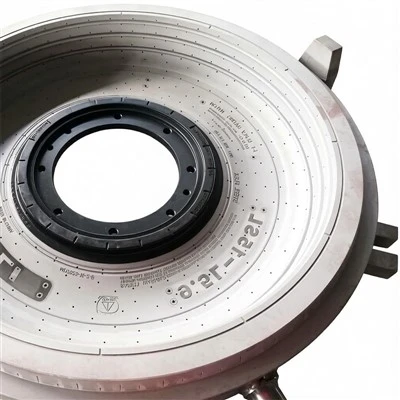
So, if you’re interested in discussing your special structure mold requirements, don’t hesitate to get in touch. We’d love to have a chat, answer your questions, and work together to find the perfect mold for your business. Let’s make the manufacturing process more sustainable, one mold at a time.
Two Piece Mold References:
- American Iron and Steel Institute: Data on energy savings in steel recycling
- Aluminum Association: Information on energy savings in aluminum recycling
Anhui Varon Mould Co., Ltd.
We are one of the most professional special structure mold manufacturers and suppliers in China, also support customized service. We warmly welcome you to wholesale premium special structure mold made in China here from our factory. If you have any enquiry about cooperation, please feel free to email us.
Address: Anhui Province, Ningguo City, Economic and Technological Development Zone, Heli Industrial Park, Dongcheng Avenue
E-mail: admin@varonmould.com.cn
WebSite: https://www.wanlongmold.com/
