How does the design of a water cooled condenser affect its performance? Water Cooled Condenser
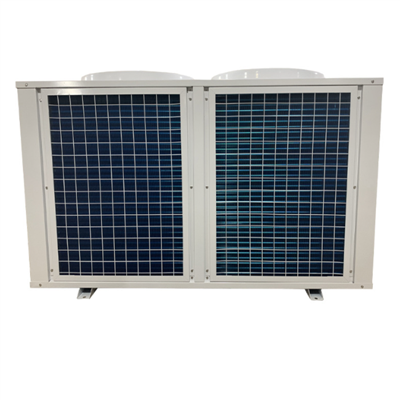
Hey there! I’m a supplier of water cooled condensers, and I’ve seen firsthand how the design of these units can make or break their performance. In this blog post, I’ll share my insights on the key design factors that influence the efficiency and effectiveness of water cooled condensers.
Let’s start with the basics. A water cooled condenser is a heat exchanger that transfers heat from a refrigerant gas to water. The refrigerant enters the condenser as a high-pressure, high-temperature gas, and as it flows through the condenser tubes, it releases heat to the water flowing around the tubes. This causes the refrigerant to condense into a liquid, which can then be used in the refrigeration cycle again.
One of the most important design factors that affects the performance of a water cooled condenser is the heat transfer surface area. The larger the surface area, the more heat can be transferred from the refrigerant to the water. This means that condensers with a larger surface area are generally more efficient at removing heat from the refrigerant. There are a few ways to increase the heat transfer surface area of a condenser, such as using finned tubes or increasing the number of tubes.
Finned tubes are a popular choice for water cooled condensers because they significantly increase the surface area available for heat transfer. The fins act as extensions of the tube surface, allowing more heat to be transferred to the water. This can improve the condenser’s efficiency and reduce the amount of energy required to operate it. However, it’s important to note that finned tubes can also be more prone to fouling, which can reduce their effectiveness over time.
Another important design factor is the tube layout. The way the tubes are arranged in the condenser can have a big impact on its performance. For example, a condenser with a parallel tube layout will generally have a lower pressure drop than one with a series tube layout. This means that the refrigerant can flow more easily through the condenser, which can improve its efficiency. However, a series tube layout may be more effective at transferring heat in some applications, so it’s important to choose the right tube layout for your specific needs.
The material used to make the condenser tubes is also an important consideration. Copper is a popular choice for condenser tubes because it has excellent thermal conductivity and is resistant to corrosion. However, copper can be expensive, so some manufacturers may use other materials, such as aluminum or stainless steel. These materials may not have the same thermal conductivity as copper, but they can be more cost-effective and may be suitable for certain applications.
The water flow rate through the condenser is another critical factor that affects its performance. If the water flow rate is too low, the heat transfer efficiency will be reduced, and the condenser may not be able to remove enough heat from the refrigerant. On the other hand, if the water flow rate is too high, it can cause excessive pressure drop and increase the energy consumption of the condenser. It’s important to find the optimal water flow rate for your condenser to ensure that it operates efficiently.
The water temperature is also an important consideration. The lower the water temperature, the more heat can be transferred from the refrigerant to the water. This means that condensers operating with cooler water will generally be more efficient. However, it’s important to note that the water temperature should not be too low, as this can cause the refrigerant to condense too quickly and may lead to problems with the refrigeration cycle.
In addition to these design factors, the maintenance of the water cooled condenser is also crucial for its performance. Regular cleaning and inspection can help prevent fouling and corrosion, which can reduce the efficiency of the condenser over time. It’s also important to ensure that the water quality is maintained at an appropriate level to prevent the growth of algae and other contaminants.
So, how does all of this translate into real-world performance? Well, a well-designed water cooled condenser can provide significant energy savings and improve the overall efficiency of the refrigeration system. By reducing the amount of energy required to remove heat from the refrigerant, the condenser can help lower operating costs and reduce the environmental impact of the system.
In addition, a high-performance water cooled condenser can also improve the reliability and lifespan of the refrigeration system. By ensuring that the refrigerant is properly cooled and condensed, the condenser can help prevent damage to other components in the system, such as the compressor. This can reduce the need for costly repairs and replacements, and can help keep the system running smoothly for years to come.
If you’re in the market for a water cooled condenser, I encourage you to consider the design factors I’ve discussed in this blog post. By choosing a condenser that is designed for your specific needs and applications, you can ensure that you get the best possible performance and efficiency.
And if you have any questions or need help choosing the right water cooled condenser for your needs, don’t hesitate to reach out. As a supplier, I have the knowledge and experience to help you find the perfect solution for your business. Whether you’re looking for a small condenser for a residential application or a large industrial condenser, I can provide you with the information and support you need to make an informed decision.
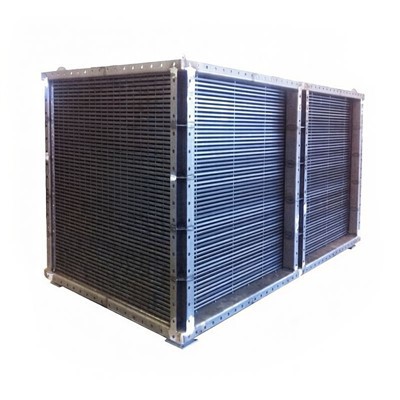
So, if you’re ready to take your refrigeration system to the next level, contact me today to discuss your options. I look forward to hearing from you!
Evaporator References
- ASHRAE Handbook – Refrigeration. American Society of Heating, Refrigerating and Air-Conditioning Engineers.
- Incropera, F. P., & DeWitt, D. P. (2002). Fundamentals of Heat and Mass Transfer. John Wiley & Sons.
- Stoecker, W. F., & Jones, J. W. (1982). Refrigeration and Air Conditioning. McGraw-Hill.
Xiangshui Derkang Refrigeration Equipment Co., Ltd.
Address: No. 2, Xiaojian Town Entrepreneurship Park, Xiangshui County
E-mail: 505745223@qq.com
WebSite: https://www.xsderk.com/
