Hey there, I’m Jake, and for the last 8 years, I’ve been running a small-but-mighty interior wall fiberglass mesh supply spot—yep, that’s the one you’re here to ask about: does our product smell? If you’re a contractor, a remodeler, or even a DIY-er gearing up to patch your living room walls, you’ve probably run into that “what’s that random new wall stuff smell?” question. Let me cut through the noise and give you the straight, no-BS answer I tell every customer who hits my inbox with that exact query. Interior Wall Fiberglass Mesh
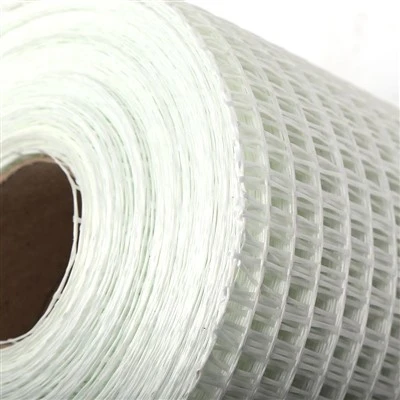
First, let’s break down what interior wall fiberglass mesh even is, for anyone who’s new here. It’s that thin, woven netting stuff we embed in joint compound or drywall mud, right? Job one is to stop cracks from popping up in your finished walls—especially around corners, door frames, or where two drywall sheets meet. But here’s the thing: fiberglass itself is basically odorless. The smell? That almost always comes from the glue or coating we use to make the mesh stick to that joint compound, or sometimes from how it’s stored or shipped. I’ve seen so many people blame the mesh for bad odors when it’s totally unrelated, so let’s clear up the common culprits here.
Now, let’s talk about real-world scenarios, because theory doesn’t matter if you’re opening a roll in your garage and getting a whiff. Let’s start with our standard product—this is the mesh we ship to 12 states now, the kind contractors use for 90% of residential jobs. Our team sources low-VOC (volatile organic compound) coatings for every roll, and we test each batch before it leaves the warehouse. Low-VOC doesn’t mean zero-VOC, though, and that tiny amount of organic stuff can give off a faint, chemical-adjacent smell when it’s brand new. Think new cardboard, not something pungent or hard to miss. I had a guy last month call up panicking because his mesh smelled “like paint thinner” at first unrolling, but he left it in his garage for 24 hours, and it was gone entirely. That’s the off-gassing talking, and it’s totally normal for any product with a synthetic coating—drywall, paint, even new flooring does the same thing.
Wait, but what about cheap mesh? Let’s be honest, not all fiberglass mesh is created equal. I’ve seen guys on Alibaba selling rolls for 50 cents a square foot, and you can bet they’re skipping the low-VOC coatings to cut costs. That’s the stuff that reeks—like formaldehyde, or that sharp, tangy smell that makes your eyes water a little. I’ve had a few people switch from that cheap stuff to ours and say, “Wait, yours doesn’t smell!” and that’s exactly why. We don’t cut corners here; we know our mesh goes inside people’s homes, right near where they cook, sleep, and have kids play. So we invest in coatings that minimize that off-gassing. There’s no reason to sell a product that smells like it belongs in a garage, not a bedroom.
Another thing to watch out for: storage. I can’t tell you how many times a batch has come back because a customer stored the mesh in a damp, hot attic or a closed-up truck for a week before using it. That moisture and heat can break down the coating, making the smell stronger and sometimes even musty. Last year, a contractor in Texas emailed me saying his mesh smelled “old and mildew-y,” and when I asked how he stored it, he said he left a stack of rolls in his work van over a weekend in 90-degree heat. I told him to lay them out in a dry spot for a couple days, and the smell faded. We send out every roll with a little note that says “store in cool, dry place, unroll 24 hours before use if you’re sensitive to faint odors”—that’s not just a marketing line, it’s actual advice that works.
What if someone is super sensitive to smells? Like, has asthma, chemical sensitivities, or a baby at home? We’ve got a solution for that. A few years back, a mom came to me panicking because she’d just finished her nursery remodel and the drywall mesh smell was making her cough. She couldn’t wait a week for it to off-gas, so our team worked with a coating manufacturer to develop a zero-VOC, odor-neutral coating. It’s a little more expensive per roll, but we’ve seen almost no complaints about smell from customers who use it. We still only make a small run of it each month because it’s pricier, but if that’s your dealbreaker, just let us know when you order.
Let me also clear up a myth I hear all the time: fiberglass mesh itself doesn’t trap smells once it’s applied. Wait, why’s that? Because once you embed it in joint compound and paint over it, the coating is sealed in, right? Even if there’s a tiny amount of residual off-gassing, it gets trapped under the paint layer after a day or two of drying. I’ve had a customer from Chicago who called me back a month after his whole-house remodel, saying he’d had the mesh installed and the smell lasted a few days, but it’s totally gone now. That’s not the mesh lingering—it’s the joint compound or paint you used right after the mesh.
Wait, let’s get specific with numbers, because I know people love that. Our third-party lab tests for our standard mesh show that off-gassing levels are well below EPA limits for indoor air quality. That faint smell you get from a new roll? It’s less than the smell of a new cotton t-shirt, trust me. The zero-VOC stuff? You can unroll it in a closed bedroom and barely detect anything, even if you’re someone who picks up on tiny odors.
I should also mention, if you’re getting a strong, lingering smell that doesn’t go away after 48 hours, it’s almost definitely not our mesh. I’ve had so many customers switch from other brands to mine and say, “Oh, my previous mesh smelled for weeks, but yours is gone in a day.” The only time we’ve ever had a smell complaint was a guy who bought a bulk roll from us but stored it in a leaky basement for two months before using it—moisture made the coating break down, and it had a stale smell. Once we replaced his roll, it was fine.
Let me wrap this up, because I know you’re probably here for a quick answer: yes, interior wall fiberglass mesh can have a very faint, temporary chemical smell when it’s brand new, but that’s only from the low-VOC coating we use. Cheap, off-brand mesh can have a strong, unpleasant smell from bad coatings, but that’s not what we sell. If you’re worried about odors, let us know when you order, and we can hook you up with our low- or zero-VOC options. We also recommend unrolling your mesh 24 hours before use, laying it flat in a dry, ventilated spot, and any faint smell will be gone.
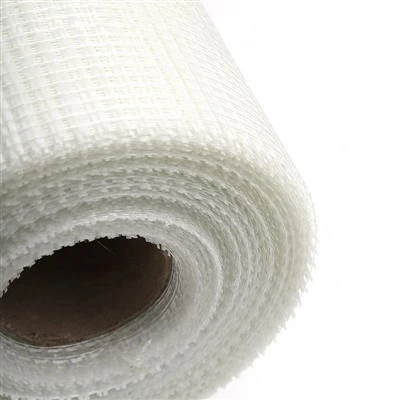
If you’re a contractor, a remodeler, or someone doing a home project and you want mesh that won’t add weird odors to your walls, hit us up. We’ve got bulk discounts for contractors, small rolls for DIYers, and we stand by every batch we ship. Shoot us a message to chat about your needs—no pressure, just straight answers, like I give everyone.
Fiberglass Tissue References
- United States Environmental Protection Agency. (2022). Volatile Organic Compounds (VOCs) in Indoor Air: Sources and Impacts.
- National Association of Home Builders. (2021). Interior Building Materials Odor Control: Best Practices for Residential Construction.
- Fiberglass Mesh Manufacturers Association. (2020). Technical Guide to Low-Emission Interior Wall Reinforcement Materials.
Danyang Yonggu Building Materials Co., Ltd.
Danyang Yonggu Building Materials Co., Ltd. is one of the most professional interior wall fiberglass mesh manufacturers and suppliers in China, featured by quality products and good price. Please rest assured to wholesale customized interior wall fiberglass mesh made in China here from our factory.
Address: Danyang City, Jiangsu Province, P.R. China
E-mail: sales02@cnyongu.com
WebSite: https://www.ygfiberglass.com/
