As a supplier in the Personal Care Packaging industry, I’ve witnessed firsthand the evolving landscape of packaging materials and their profound environmental implications. In this blog, I’ll delve into the environmental impacts of various personal care packaging materials, shedding light on the choices consumers and manufacturers face in the pursuit of sustainability. Personal Care Packaging
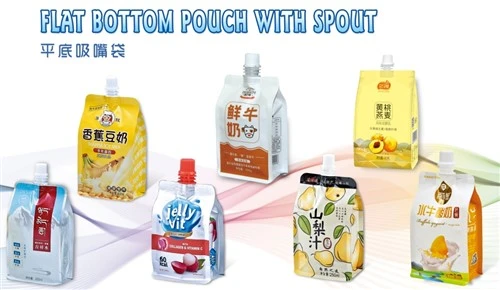
Plastic Packaging
Plastic is one of the most widely used materials in personal care packaging due to its versatility, durability, and cost – effectiveness. However, it poses significant environmental challenges.
One of the most pressing issues is plastic pollution. Once discarded, plastic packaging can take hundreds of years to decompose. A large portion of plastic waste ends up in landfills, where it takes up valuable space and can leach harmful chemicals into the soil and groundwater. Additionally, a significant amount of plastic finds its way into our oceans. Marine animals often mistake plastic debris for food, leading to ingestion and entanglement, which can cause injury, starvation, and death.
The production of plastic also has a substantial carbon footprint. Most plastics are derived from fossil fuels, such as oil and natural gas. The extraction, refining, and processing of these raw materials require large amounts of energy and generate significant greenhouse gas emissions. Moreover, the manufacturing processes for plastic packaging involve high – temperature operations, further contributing to energy consumption and carbon emissions.
On the positive side, there are some efforts to make plastic packaging more sustainable. For example, the development of biodegradable and compostable plastics offers a potential solution. These plastics are designed to break down more quickly in the environment, reducing the long – term pollution problem. However, the infrastructure for proper disposal and composting of these materials is still limited in many areas.
Glass Packaging
Glass is a classic and popular choice for personal care packaging because of its inertness, which means it doesn’t react with the product inside, ensuring the integrity and safety of the personal care items.
From an environmental perspective, glass has some favorable aspects. It is 100% recyclable, and recycled glass can be used indefinitely to make new products. Recycling glass requires less energy compared to producing new glass from raw materials, as melting recycled glass occurs at a lower temperature. This results in reduced energy consumption and lower carbon emissions during the manufacturing process.
However, glass also has its drawbacks. It is heavier than plastic, which means more energy is needed for transportation. Higher fuel consumption during shipping leads to increased greenhouse gas emissions. Additionally, the production of glass requires high – temperature furnaces, consuming a significant amount of energy and generating considerable carbon dioxide. If glass is not recycled, it can take a long time to break down in the environment, although it is generally less harmful than plastic as it doesn’t release toxic chemicals.
Aluminum Packaging
Aluminum is another common material in personal care packaging, often used for aerosol cans and tubes.
One of the greatest advantages of aluminum is its high recyclability rate. Recycling aluminum saves up to 95% of the energy required to produce new aluminum from bauxite ore. This significant energy savings translates into a substantial reduction in carbon emissions. The recycling process is also relatively fast, enabling aluminum to be recycled multiple times without losing its quality.
Aluminum is light – weight, which reduces the energy demand for transportation. Lighter packaging means less fuel is burned during shipping, which in turn decreases greenhouse gas emissions.
Nonetheless, the primary production of aluminum is resource – intensive. Extracting aluminum from bauxite ore involves energy – intensive processes, including mining, refining, and smelting. These processes generate large amounts of waste and have a notable environmental impact, including deforestation associated with mining activities and the release of harmful chemicals.
Paper and Cardboard Packaging
Paper and cardboard are renewable and biodegradable materials frequently used for the outer packaging of personal care products.
The fact that they come from trees, a renewable resource, makes them an attractive option from a sustainability standpoint. When properly disposed of, they break down naturally in the environment, reducing long – term waste. Recycling paper and cardboard also conserves resources and energy, as it takes less energy to recycle paper than to make new paper from virgin wood pulp.
However, the paper industry has its own environmental concerns. Large – scale logging for paper production can lead to deforestation, which has far – reaching consequences such as loss of biodiversity, soil erosion, and disruption of water cycles. Additionally, the chemical processes used in paper manufacturing, such as bleaching, can generate water pollution if not properly managed.
Bioplastics
Bioplastics are a relatively new entrant in the personal care packaging scene. They are derived from renewable biomass sources, such as corn starch, sugarcane, or cellulose.
The main appeal of bioplastics is their potential to reduce dependence on fossil fuels and lower the carbon footprint associated with packaging production. Since they are made from renewable materials, the production of bioplastics can have a smaller ecological impact compared to traditional plastics. Some bioplastics are also biodegradable or compostable, which means they can break down more quickly in the environment.
However, there are challenges. Bioplastics often require specific environmental conditions to break down effectively, such as high temperatures and the presence of certain microorganisms. In many real – world disposal scenarios, these ideal conditions may not be met, leading to a situation where bioplastics do not break down as expected. Moreover, the production of bioplastics can compete with food production for land and other resources, raising concerns about food security and potential impacts on the agricultural ecosystem.
Guiding the Sustainability Journey
As a personal care packaging supplier, I understand the importance of balancing the needs of product protection, aesthetics, and environmental responsibility. We are committed to offering a range of packaging solutions that meet these diverse requirements.
We are constantly exploring new materials and manufacturing processes that reduce the environmental impact of our packaging. For example, we are actively promoting the use of recycled plastics and glass in our product lines. By recommending these recycled materials to our customers, we can help reduce the demand for virgin materials and minimize the associated environmental damage.
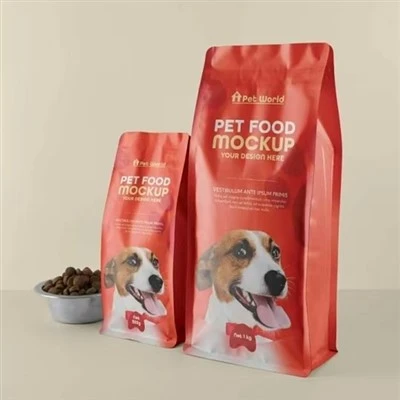
In addition, we work closely with our customers to understand their specific needs and develop customized packaging solutions. Whether it’s optimizing the design of a package to use less material or selecting the most appropriate packaging material for a particular product, we strive to create sustainable and functional packaging options.
Flat Bottom Pouch If you are a personal care product manufacturer looking for environmentally friendly packaging solutions, we encourage you to reach out to us. We can engage in in – depth discussions about your packaging requirements, provide samples of different materials, and offer expert advice on how to make your packaging more sustainable. This way, together, we can contribute to a greener future while still meeting the demands of the market.
References
- European Commission. (2018). Plastics in a Circular Economy: A European Strategy.
- The Aluminum Association. (2020). Aluminum Recycling Facts.
- World Packaging Organization. (2019). Sustainable Packaging Guidelines.
- Paper and Packaging Board. (2021). Environmental Benefits of Paper Packaging.
Tongcheng Wanfang Paper & Plastic Packaging Co., Ltd.
As one of the most professional personal care packaging manufacturers and suppliers in China, we also support customized service. With abundant experience, we warmly welcome you to buy high quality personal care packaging made in China here and get pricelist from our factory. For price consultation, contact us.
Address: No.17, Area B, East China Plastics City, Xindu Town, Tongcheng City, Anhui Province, China
E-mail: wanfangpack@163.com
WebSite: https://www.wf-pack.com/
