As a seasoned supplier of wire-to-board connectors, I’ve had the privilege of exploring the intricacies of these essential components in the electronics industry. One question that often comes up is about the "mating cycle" of a wire-to-board connector. In this blog, I’ll delve into what the mating cycle is, why it’s crucial, and how it affects the performance and durability of our wire-to-board connectors. Wire-to-Board Connector
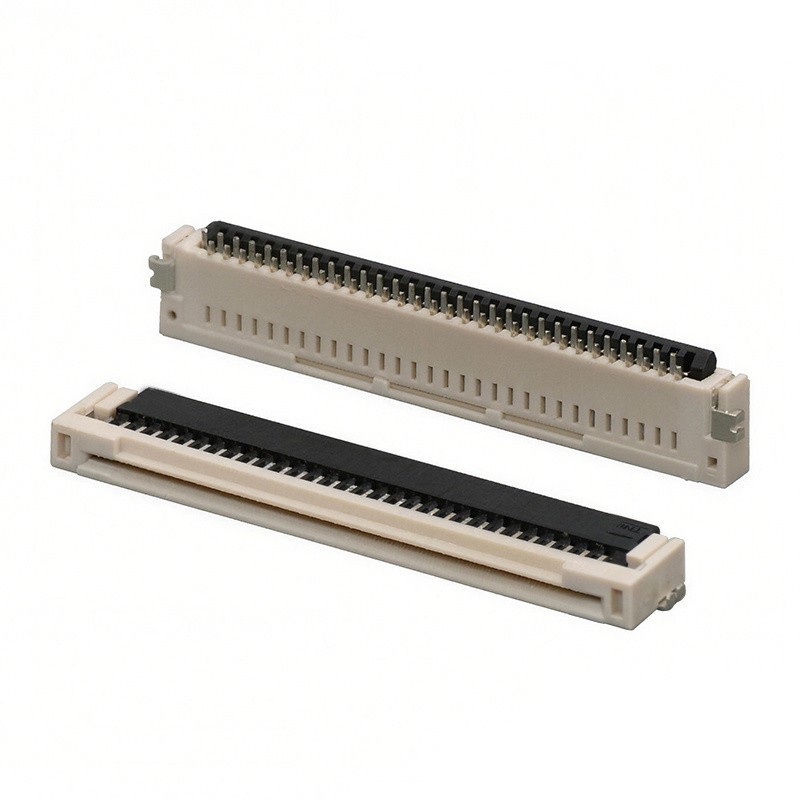
Understanding the Mating Cycle
The mating cycle of a wire-to-board connector refers to the number of times a connector can be plugged in (mated) and unplugged (unmated) from its corresponding counterpart before it starts to experience significant wear and tear or fails to function correctly. It’s a critical parameter because in many electronic applications, connectors need to be connected and disconnected multiple times during their service life.
Think about consumer electronics like laptops or smartphones. The connectors used to charge these devices or connect external peripherals are mated and unmated frequently. In industrial applications, such as automation systems or control panels, connectors may also need to be replaced or reconfigured, requiring multiple mating cycles.
Factors Affecting the Mating Cycle
Several factors influence the mating cycle of a wire-to-board connector:
Contact Material
The material used for the electrical contacts within the connector plays a significant role. Metals like gold and silver are excellent conductors and have good corrosion resistance. Gold, in particular, is often used in high – end connectors because it forms a very stable surface and can withstand many mating cycles without significant degradation. For example, gold – plated contacts can typically offer a higher number of mating cycles compared to tin – plated contacts. Tin has lower cost but is more prone to oxidation and wear, which can limit the number of successful mating cycles.
Contact Design
The shape and structure of the contacts affect how they interact during mating and unmating. A well – designed contact will ensure a reliable electrical connection while minimizing the forces that can cause wear. For instance, a contact with a proper spring – like shape can provide a consistent contact force over multiple mating cycles. It can also help to compensate for any minor misalignments that may occur during the mating process.
Connector Housing
The housing of the connector provides mechanical protection and support for the contacts. A sturdy and well – designed housing can prevent the contacts from being damaged during handling or mating. It also helps to keep the contacts in the correct position, ensuring a proper connection. For example, a housing made of high – quality plastic with good dimensional stability can maintain its shape over many mating cycles, reducing the risk of contact misalignment.
Mating and Unmating Forces
The force required to mate and unmate a connector is crucial. If the forces are too high, it can cause excessive wear on the contacts or even damage the housing. On the other hand, if the forces are too low, the connection may not be reliable, leading to intermittent electrical connections. Our engineering team carefully designs our connectors to ensure that the mating and unmating forces are within an optimal range.
Importance of Mating Cycle in Different Applications
Consumer Electronics
In the consumer electronics market, connectors are often mated and unmated on a daily basis. For example, the USB connector on a smartphone is used to charge the device and transfer data. A high – mating – cycle connector is essential to ensure that the connector remains reliable over the lifespan of the device. Consumers expect their devices to work without any issues, and a connector that fails due to low mating cycles can lead to a poor user experience and negative reviews.
Industrial Applications
In industrial settings, connectors may be subjected to harsh environments, including high temperatures, vibration, and dust. The mating cycle becomes even more critical as connectors may need to be reconfigured or replaced during maintenance or system upgrades. A connector with a low mating cycle may fail prematurely, leading to costly downtime and production losses. Our wire – to – board connectors are designed to meet the demanding requirements of industrial applications, with high mating cycles and robust construction.
Automotive Industry
In the automotive industry, connectors are used in various systems, such as the engine control unit, infotainment system, and lighting. These connectors need to withstand the vibrations and temperature fluctuations associated with vehicle operation. Additionally, during vehicle assembly and repairs, connectors may be mated and unmated multiple times. A reliable connector with a high mating cycle is essential to ensure the safety and performance of the vehicle.
How We Ensure High Mating Cycles in Our Wire – to – Board Connectors
As a supplier, we take several steps to ensure that our wire – to – board connectors have a high mating cycle:
Material Selection
We carefully select the materials for our contacts and housings. For contacts, we use high – quality metals with excellent conductivity and corrosion resistance. Our housing materials are chosen for their mechanical strength, dimensional stability, and resistance to environmental factors.
Precision Manufacturing
We employ state – of the – art manufacturing processes to ensure that the contacts are precisely formed and the housing components are accurately molded. This precision helps to ensure a consistent mating and unmating experience, reducing the wear on the contacts.
Rigorous Testing
Before our connectors are released to the market, they undergo extensive testing. We simulate thousands of mating and unmating cycles in our test laboratories to ensure that the connectors meet or exceed the specified mating cycle requirements. We also test the connectors under various environmental conditions, such as high and low temperatures, humidity, and vibration, to ensure their reliability.
Conclusion

The mating cycle of a wire – to – board connector is a critical factor that determines its reliability and durability in various applications. As a supplier, we understand the importance of providing connectors with high mating cycles to meet the needs of our customers. Whether you’re in the consumer electronics, industrial, or automotive industry, our wire – to – board connectors are designed to provide a reliable and long – lasting connection.
Automotive TPA Or ISL Connector If you’re in the market for high – quality wire – to – board connectors with excellent mating cycle performance, we’d love to hear from you. Our team of experts can help you select the right connector for your specific application. Reach out to us to start a discussion about your procurement needs. We’re committed to providing you with the best – in – class connectors and outstanding customer service.
References
- "Connector Handbook", edited by Shelly Levine.
- "Electrical Connectors: Principles and Applications" by Peter A. Zbar.
- Industry standards and whitepapers related to wire – to – board connectors from leading electronics associations.
Wenzhou JKUN Connector Co., Ltd.
As one of the most professional wire-to-board connector manufacturers and suppliers in China, we’re featured by quality products and low price. Please rest assured to wholesale bulk customized wire-to-board connector from our factory. For quotation and free sample, contact us now.
Address: No.2667, Ningkang East Road, Yueqing City, Zhejiang Province, China
E-mail: sales@cnjkun.com
WebSite: https://www.jkunjcj.com/
