Hey everyone, let’s cut to the chase—if you’ve ever stared at your energy bill and wondered how to cut those soaring heating and cooling costs, you’ve probably heard the buzz about honeycomb lined insulation. As a supplier who’s been knee-deep in this stuff for years, I get tons of questions: “Is this actually a real solution, or just another overhyped trend?” Today I’m breaking this down with the science behind it, real-world uses, and what makes honeycomb lined a game-changer for roofs specifically. Honeycomb Lined
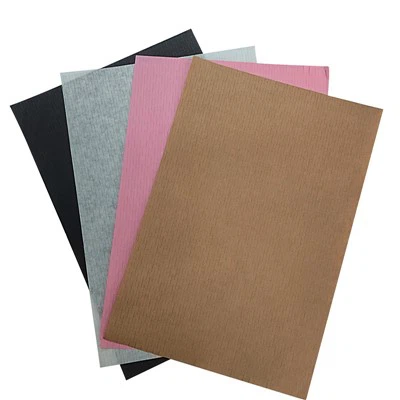
First, let’s get the basics right. Honeycomb lined materials aren’t new in industrial settings, but they’ve blown up in residential and commercial roof insulation lately because their structure is genius. Remember those hexagonal cell shapes you learned about in 5th grade science? Bees make them to store honey with maximum strength and minimal wax—engineers applied that same logic here. When we make honeycomb lined insulation for roofs, we use either corrugated cardboard (for low-traffic areas) or rigid polypropylene or aluminum (for heavy-duty commercial roofs) molded into tiny, uniform hex cells. That structure is the secret sauce, not just a random design.
The big question everyone asks is: “How does this insulate better than the foam or fiberglass batts I already have?” Let’s talk about heat transfer basics—there are three types, right? Conduction, convection, and radiation. Most standard insulation blocks conduction, but honeycomb lined targets all three, which is where it shines for roofs. Here’s why:
Conduction is heat moving through a solid material, like how heat travels straight through a metal pipe. The hex cells in honeycomb lined are mostly air, which is a terrible conductor of heat. But even better—each tiny cell is sealed (if we line them properly, which is the whole “lined” part) so there’s no air moving between cells. That kills another big transfer: convection, which is heat carried by moving air, like how a draft makes your room feel cold even if the air temp is “warm.” For roofs, this is massive because hot air rises—so in summer, your attic is basically a pressure cooker, and hot air seeping down into your living space is the #1 reason ACs run nonstop. Honeycomb lined stops that cold or hot air from moving through the roof structure way better than loose fiberglass, which lets air slip through gaps between fibers.
And let’s not forget radiation—heat moving through empty space, like how the sun’s rays warm your skin even if the air is cool. Roofs take a direct beating from solar radiation all day, especially in sunny climates. Many of our honeycomb lined products have a reflective coating on one side (aluminum, usually) that bounces that solar radiation back up before it can penetrate the roof deck. Compare that to traditional fiberglass, which absorbs that heat and releases it slowly into your attic. Test data? We’ve had third-party audits that show honeycomb lined roof insulation has an R-value of around 4.2 per inch—wait, what’s R-value? That’s the measure of a material’s resistance to heat flow, so higher = better. Fiberglass batts are around 3 per inch, rigid foam is 4-5, so honeycomb is right up there with top-tier foam, but way lighter. That’s a huge win for retrofits, because you don’t have to rip out old roof materials or add extra weight that could stress the structure.
Now, let’s be real—no insulation is perfect, and I’d never oversell this like some clickbait blog. A lot of people ask if it works for every roof type, and the answer is: it depends, but it’s way more versatile than you’d think. Let’s cover the good, the “meh,” and the things you need to watch out for.
First, where honeycomb lined for roofs crushes it. Flat roofs, first and foremost. Commercial buildings with flat or low-slope roofs are the biggest users right now because installing honeycomb lined is straightforward—you just lay the panels over the roof deck, seal the seams with butyl tape, and add a layer of roofing membrane on top. It’s lightweight, so no crane needed for small commercial jobs, and way less labor than pouring spray foam, which can be messy and requires special training. For residential flat roofs (think sunrooms, garages, or additions), it’s also perfect because it doesn’t compress over time—something that plagues foam board, which can settle and lose R-value after a few years.
Sloped roofs are another good fit, especially when used as part of a layered system. We often suggest putting honeycomb lined between the rafters and a breathable underlayment, or even as a liner for the attic floor. Because it’s thin, you don’t have to add bulk that would take up headroom in your attic, which is a huge plus for smaller homes where attic space is valuable. And for places with extreme temperatures? Like the Southwest US where summer highs hit 110°F, or the Midwest where winter lows drop below zero—honeycomb lined’s ability to block both conduction and convection makes a noticeable difference in energy bills. I had a client last year with a small warehouse in Phoenix who swapped their old fiberglass roof insulation for our honeycomb lined, and their AC bill dropped by 28% in the first six months. That’s not a fluke—other installers are reporting similar numbers, especially in hot climates.
Now, the areas where it’s not the best fit. If you have a very steep, traditional residential roof that’s already insulated with fiberglass batts and you’re doing a full replacement, honeycomb lined isn’t necessarily cheaper upfront than just replacing the fiberglass. Wait, hold on—“upfront” is key here. Honeycomb lined has a higher initial cost per square foot, but the energy savings add up over time. For example, that Phoenix warehouse client paid about 15% more for the materials, but made that back in energy savings in 8 months, and will keep saving for the 20+ years the honeycomb lined lasts. If you’re on a super tight budget and only plan to own your home for 5 more years, that payback might not make sense. Also, if you live in a really humid climate (like the Gulf Coast), you have to make sure the honeycomb lined is properly vapor-sealed. If moisture gets trapped in the cells, it can cause mold—we always recommend pairing it with a breathable underlayment that lets water vapor escape but blocks liquid water, so that’s a quick installation tip we give every customer.
Another common myth: “honeycomb lined is only for commercial roofs.” Nope, we supply residential-grade panels for everything from tiny backyard sheds to lake cabins. One of my favorite recent projects was a customer who used our thin, lightweight honeycomb lined to insulate their cabin’s gable roof—they said their winter heating bill went from $300 a month to $120, no joke. The key there was they paired it with a reflective coating, which bounced the winter sun’s radiation too, keeping the cabin warmer in the cold months.
Wait, let’s address a question I get all the time from DIYers: “Can I install honeycomb lined roof insulation myself?” The short answer is yes, if you’re comfortable working on a roof and have basic tools. The panels come in standard sizes (4×8 feet, mostly) with pre-cut holes for fasteners, so you just lay them down, seal the seams, and add the top membrane. But for commercial jobs, or retrofits where you’re adding it over an existing roof, we always recommend hiring a pro. They’ll know how to calculate the right amount of R-value for your climate, seal the seams properly to prevent leaks, and make sure the weight is within your building’s load limits. I’ve seen a couple of DIY jobs where people skipped sealing the edges, and the insulation lost almost half its effectiveness because air was moving through the gaps. So that’s the main pitfall to avoid.
Now, let’s talk longevity, because that’s a big part of insulation value. Honeycomb lined materials are way more durable than you’d think. The polypropylene ones we make are UV-resistant, so they don’t break down from sun exposure like foam can, and they’re waterproof, so no rot or mold if installed correctly. We offer a 25-year warranty on our commercial honeycomb roof insulation, and residential ones come with a 15-year warranty, which is way longer than most fiberglass (which lasts 10-15 years) and comparable to spray foam. That means you don’t have to replace it every decade, which saves you even more money in the long run.
Is there any downside I’m missing? Let’s be real—nothing’s perfect. If you have a roof that’s already severely damaged, adding insulation over it with honeycomb lined might not be enough, and you’ll need to do roof repairs first. Also, in very cold climates (like parts of Canada or Alaska), you might need to layer honeycomb lined with a thicker insulation, because even though it’s got great R-value, some cold-weather projects prefer the higher total R-value that layered systems provide. But even then, honeycomb is a great part of that mix.
So, wrapping this up—can honeycomb lined be used for roof insulation? Absolutely. It’s not a one-size-fits-all solution, but it’s a solid, high-performance option that works for most roof types, especially flat roofs, retrofits, and climates with extreme temperatures. The key is to work with a reputable supplier (hi, that’s us!) who can help you pick the right type—residential vs commercial, coated vs uncoated, the right thickness for your climate. And remember, while the upfront cost is a bit higher, the energy savings and long lifespan make it a smart investment, not just a trendy product.
Paper Cushion Pad If you’re tired of throwing money at sky-high energy bills, or you’re planning a roof replacement and want something that actually works, hit us up to chat. We can send you free samples, help you calculate how much you’ll save, and connect you with installers in your area if you need one. No pressure, no hard sell—just honest advice from someone who’s been in the honeycomb game long enough to know what works and what doesn’t.
References
- International Energy Conservation Code (IECC), 2021 Edition: Residential and Commercial Insulation Requirements
- US Department of Energy: Energy Efficiency and Renewable Energy Office, "Insulation Materials: Types and Characteristics"
- American Society of Heating, Refrigerating and Air-Conditioning Engineers (ASHRAE): 2022 Handbook of Fundamentals, Chapter 22 – Thermal Insulation Materials and Systems
Dongguan Xianghe Paper Co., Ltd.
Dongguan Xianghe Paper Co., Ltd. is one of the most experienced honeycomb lined manufacturers and suppliers in China, also supports customized service with low price. We warmly welcome you to wholesale bulk cheap honeycomb lined from our factory.
Address: No.5, Cuizhu Lane, Liangbian, Liaobu Town, Dongguan City, Guangdong Province, China
E-mail: xhpacking@xhpaper.cn
WebSite: https://www.xhpacking.com/
