If you’ve ever stood at the counter of your local utility office, fumbling with a top-up card to make sure your power doesn’t get cut mid-movie night, you’ve interacted with a prepaid energy meter. As someone who’s been in the energy meter game for years (yep, I’m from a company that supplies these bad boys), I get a lot of questions from folks—new homeowners, small business owners, even other tech folks—asking how exactly these things work. No jargon, no confusing tech terms, just the straight stuff that’ll make you go “oh, that’s simpler than I thought.” Energy Meter

First off, let’s clear up what a prepaid meter isn’t. It’s not some fancy black box that’s scanning your bank account every two seconds or sending secret data to your utility (well, not in a sketchy way, anyway). Its whole job is straightforward: you pay for energy upfront, you use it, and when your balance runs low, it alerts you so you can top up before the power stops. That’s it. But how does the tech behind that actually click?
Let’s break it down step by step, starting with the core parts of a typical prepayment meter. You’ve got the meter body itself, which is the part that clamps onto your main power line. Then there’s the keypad or a card slot (wait, most modern ones use a smart card or even a mobile app now, not just plastic cards), a display that shows your balance and usage, and a communication module—this is the piece that talks to your utility company. Don’t overcomplicate it: think of the meter as a middleman between you and your energy provider. It tracks every bit of power you use, keeps a running total of how much you’ve paid for, and makes sure you don’t go into debt.
Here’s where the process starts: topping up. Back in the day, you’d buy a physical smart card from a shop, plug it into the meter, and it would sync your new balance. Now, most people do it via a mobile app—you enter your meter’s unique ID, pay online, and the utility sends a “token” (just a long string of numbers, really) straight to your meter. That token is the key part here. It’s not money; it’s a permission slip that says “this person has paid for X kWh of energy, add that to their balance.” The meter doesn’t handle actual money—all the finance stuff is between you and your utility. The meter’s job is just to validate that token and update your balance.
Next, tracking energy usage. That’s where the current transformer (CT) comes in—small, clamp-shaped thing around your main power wire. I know, I know, another tech term, but stick with me. The CT doesn’t carry power itself; it measures the electrical current flowing through your line. Every time you turn on a light, charge your phone, or run your fridge, the current changes. The meter counts how much current passes through over time, converts that to kilowatt-hours (kWh)—the unit your utility uses for billing—and subtracts that from your balance. It’s like your car’s odometer, but instead of miles, it tracks kWh, and instead of going up, it goes down as you use power.
Wait, what about when you’re using too much power fast? Like if you run the dryer, space heater, and oven all at the same time. The meter keeps an eye on that too. If your balance is low, and you use a huge chunk of kWh in a short time, it won’t let you dip into negative. That’s a safety feature, not a bug. The communication module works here too—if your utility has a way to send alerts, it can ping your meter when your balance is 10% left, 5% left, and even shut power off automatically when it hits zero. No more guessing how much you have left, no more sudden blackouts mid-cookout.
Let me address a common myth: are prepaid meters less accurate than regular postpaid ones? Nope. In fact, most of the ones we supply meet the same industry accuracy standards as traditional meters. The only difference is how you pay for the energy, not how it’s measured. We test every single meter before it leaves our warehouse—stuff like temperature tests, stress tests, even water resistance tests for folks in areas with heavy rain or humidity. A lot of people think prepaid meters are cheaper or lower quality, but that’s just old info. They’re built to last, same as any other meter, with a 10-year warranty on most models.
Another question I get: what about if the power goes out? Does the meter lose your balance? Good news—no, it’s got a tiny built-in battery, like a watch battery, that saves your balance and usage data. Even if the power is out for a week, when it comes back on, the meter will pick up right where it left off. It won’t erase your balance or start counting from zero. That’s a huge relief, especially for people who rely on power for medical devices or refrigerating medicine.
Now, for the folks who run small businesses—cafes, shops, garages—prepaid meters are a game-changer. No more worrying about late utility bills, which can mess up cash flow. You can track your daily usage, so if you notice your fridge is using way more kWh than it should, you can catch a problem before it turns into a huge repair. And for landlords? Prepaid meters eliminate the awkward “wait, did the tenant pay the bill?” conversations. The tenant is the one topping up, so you never have to deal with unpaid energy bills piling up. That’s why a lot of property managers reach out to us when they’re switching their buildings to prepaid.
Wait, let’s talk about smart vs. basic prepaid meters. The basic ones are the ones with the keypad or card slot you’ve seen at utility offices. They work fine, but modern smart prepaid meters do way more. They have built-in Wi-Fi or cellular connectivity, so you don’t have to plug in a card—top up from your couch, check your usage on an app, even set reminders when your balance is low. Some can even show you which appliances are using the most energy, so you can adjust to save money. We supply both types, depending on what the customer needs—no hard sell, just what works for their situation.
I should also mention safety. Our meters are built with overcurrent protection—if there’s a spike in power (like from a lightning strike or a faulty appliance), the meter will shut off the power to your home or business before it can cause damage to your wiring or appliances. That’s not a feature most people think about, but it’s a big one. We’ve had customers tell us their meters protected their refrigerators during a thunderstorm, and that’s exactly why we design them that way.
Now, let’s clear up a frustration point: sometimes people say their meter is acting weird, or their balance is off. More often than not, it’s a simple issue, not a broken meter. For example, if you top up and the balance doesn’t update right away, the token might not have synced—just unplug the meter for 10 seconds, plug it back in, and it should work. Or if your usage seems high, check if you turned on a space heater, a TV, or a new appliance you forgot about. We include a troubleshooting guide with every meter we supply, and our support team is always here if you run into issues. We don’t just sell you a meter and disappear—we’re here for the whole process.
Why do suppliers like us love prepaid meters, too? Because they’re flexible. They work in almost every setting—rural areas where postpaid utility lines are spotty, apartment buildings, commercial spaces, even off-grid homes. They’re also more convenient for customers who don’t want to deal with monthly bills, which is why demand for them has skyrocketed in the last 10 years. When we started supplying them, most were basic card models; now, half our orders are smart prepaid meters with app connectivity. That’s not a trend—it’s what people actually want.
Wait, let’s wrap this up with a real example. Last year, a small bakery owner reached out to us. She was a new landlord of a corner shop, and her previous tenant had left with a $1,200 unpaid energy bill. She was tired of that headache, so she switched to a prepaid meter from us. Now, her new tenant tops up via a mobile app, tracks his own usage, and she never has to worry about late bills. She told us it cut her stress in half, and she saved money on meter maintenance too. That’s the kind of win we love seeing.
Now, if you’re a homeowner thinking about switching to a prepaid meter, a small business owner looking to cut utility costs, or a property manager tired of unpaid bills, we’ve got options for you. We don’t do one-size-fits-all—we work with you to figure out which meter fits your space, your usage, and your needs. Whether you need a basic model for a rural home or a smart one for a busy café, we can supply it, and we’re here to help with installation, troubleshooting, or any questions you have along the way.
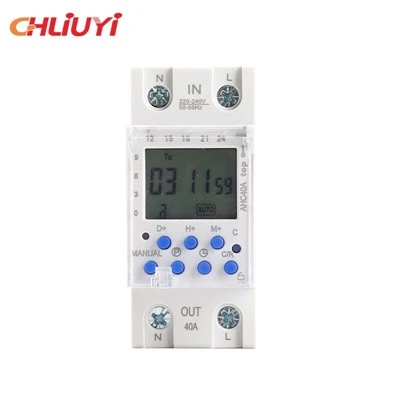
We don’t do pushy sales—we just want to make sure you get a meter that works for you. If you’re ready to talk through your needs, reach out to our team to connect for a procurement discussion. We’ll walk you through the different models, answer any questions, and make sure you have all the info you need. Don’t let confusing energy bills or unexpected blackouts stress you out—prepaid meters are simple, reliable, and save you money in the long run.
Energy Meter References
- International Electrotechnical Commission (IEC) Standard 62052-11, Electricity metering equipment (a.c.) – General requirements, tests and test conditions – Part 11: Metering equipment.
- Prepayment Meters: Global Market Report 2024, Statista.
- U.S. Energy Information Administration (EIA), Residential Energy Consumption Survey (RECS) 2021.
- The Role of Smart Prepayment Meters in Reducing Energy Poverty, International Energy Agency (IEA) 2023.
Zhejiang Liuyi Electrical Technology Co., Ltd.
Zhejiang Liuyi Electrical Technology Co., Ltd. is one of the most professional energy meter manufacturers and suppliers in China. We have world-leading production equipment and strong manufacturing capabilities. Please rest assured to wholesale high quality energy meter made in China here from our factory. Customized orders are welcome.
Address: No. 16 Zhengshun East Road, Xiangyang Industrial Zone, Liushi Town, Leqing City, Wenzhou City, Zhejiang Province
E-mail: hazel@chliuyiele.com
WebSite: https://www.chliuyiele.com/
