If you’ve ever walked into a modern electronics factory, a furniture showroom, or even a grocery store and run your hand over a smooth, scratch-resistant phone case, a glossy kitchen cabinet door, or a shatterproof food packaging wrapper, you’ve encountered the work of a UV coating line. For over two decades, I’ve spent my days working with these systems, troubleshooting their quirks, upgrading their parts, and watching as the technology behind them shifts from clunky, one-size-fits-all machinery to precise, adaptable lines that meet the needs of every industry. Last month, a regular client who builds high-end outdoor furniture called me panicking: their old UV line couldn’t keep up with the demand for scratch-resistant slats that also blocked UV rays to prevent fading. I hopped on a plane to their factory, and within an hour, we walked through the three latest technologies that are fixing exactly the kind of headaches they were facing—and that I wanted to share here, for anyone who’s ever wondered what’s new in UV coating lines right now. UV Coating Line
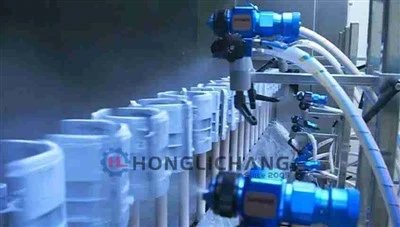
The first big shift I’ve seen in the last three years is adaptive UV curing systems, and this isn’t your father’s curing chamber. Early UV lines worked on a set-it-and-forget-it model: dial in the lamp intensity, set the conveyor speed, and hope the coating cured evenly, even if you switched between three different substrates (think wood, plastic, and metal) in one day. If you ran a thinner coating, you’d overcook it, leading to brittleness or yellowing; run a thicker one, and you’d get tacky spots that scratch off an hour later. Adaptive curing changes all that. These systems use real-time sensors—tiny, non-contact probes that sit just above the coated surface, scanning every inch of material as it moves down the line. Each sensor measures two things: the degree of polymerization (how well the UV light has bonded with the coating chemicals) and the actual temperature of the coating, not just the air inside the chamber. A few months ago, I installed one of these systems for a small electronics parts maker that was producing phone back covers. They used to have a 12% reject rate because the curved edges of the covers would cure unevenly—too fast on the flat parts, too slow on the edges. Now, the sensors pick up the curve, adjust the lamp intensity in that spot, and even tweak the speed of the conveyor subtly to make sure every edge cures at the same rate. The best part? These systems can be programmed to switch between 20 different material recipes in less than a minute, so a furniture maker can go from coating oak cabinet doors to polycarbonate outdoor table tops without stopping to reset everything. I’ve seen this cut cure-related rejects by up to 18% for my clients, which is a game-changer when every rejected part costs $0.75 and you’re running 20,000 parts a day.
The second latest technology is closed-loop solvent recovery for water-based UV coatings, and this one’s been a long time coming. For years, most UV coatings were solvent-based—they cured fast, were durable, but they released volatile organic compounds (VOCs) that are bad for factory workers and bad for the planet. Regulators started cracking down on VOC emissions in the EU and North America around 2018, so a lot of manufacturers switched to water-based UV coatings, which cut VOCs by 90% but had their own problems: the coatings take longer to level out before curing, and the water in the coating can cause tiny bubbles if it evaporates too fast. The old way to handle water-based coatings was to vent all the water vapor and excess solvent out of the curing chamber, which meant wasting energy and even losing a little bit of coating material. Closed-loop solvent recovery systems changed that. These systems capture the water vapor and any leftover solvent from the coating process, cool it down to condense it back into liquid, filter out any impurities, and then reuse it in the coating mix. Last year, I retrofitted an old UV line for a wood flooring maker who was spending $120,000 a year on water for their coatings and paying $45,000 a year in VOC fines. After the retrofit, their water use dropped by 85%, their VOC emissions are under the legal limit without extra exhaust fans, and they even save about $10,000 a year on coating materials because they’re reusing the recovered solvent. The other benefit for factory owners is that closed-loop systems cut down on noise from big exhaust fans, and they don’t require as much air makeup, which saves even more energy on heating or cooling factory spaces. I’ll be honest, when I first heard about this technology three years ago, I thought it was just another green gimmick for big brands. But now that I’ve installed it for three small to mid-sized manufacturers, it’s clear it’s a practical, money-saving upgrade for any UV line.
The third technology is modular multi-layer coating capability, and this one is perfect for manufacturers who want to add new products without buying an entirely new line. Ten years ago, if you wanted to apply three different coats of UV coating—like a base coat to hide imperfections, a color coat, and a top coat for scratch resistance—you needed three separate curing chambers, each 20 feet long, with conveyor belts linking them. That took up a huge amount of factory floor space, and it meant downtime if one chamber needed repairs. Modular multi-layer lines shrink that entire system into one 40-foot long line with interchangeable curing modules. The modules clip into place, so you can swap a standard curing lamp for a specialized one (like a LED lamp for delicate substrates) or add a plasma treatment module before coating to make the surface stick better. For example, a kitchen cabinet maker I work with used to make only solid wood cabinets, but last year they added a line of laminated MDF cabinets with high-gloss finishes. They had to install a whole new line a year ago, but if they’d waited for this modular technology, they could’ve modified their existing line in a week and saved $80,000 in capital costs. The modular lines also let manufacturers adjust the number of coats on the fly: if a product only needs two coats, you can remove one module to speed up production, and if you need four coats for a high-end outdoor furniture piece, you can add an extra module in an hour. I’ve had clients tell me this flexibility has let them take on 30% more custom orders than they could two years ago, because they can adjust the line to meet each order’s specific requirements without reconfiguring the whole setup.
Now, I know what a lot of factory managers are thinking: “This sounds great, but how much does this cost, and is it worth the upgrade?” The truth is, it depends on your current line and your production volume. For a small manufacturer running less than 5,000 parts a day, an adaptive curing system might cost $15,000 to $25,000 to add to an existing line, and you’ll see a return on investment in 6 to 12 months from reduced rejects. For mid-sized manufacturers running 15,000 parts a day, a closed-loop recovery system and modular multi-layer setup will cost around $120,000, with a payback period of 18 to 24 months, mostly from lower energy and material costs. I always tell clients that the biggest mistake people make with UV line upgrades is waiting until their old line is failing. Two years ago, a furniture maker I’d been working with for years put off upgrading their line because they thought it was fine, and then one of their lamps burned out mid-run on a big order for a national retail chain. They had to rent a temporary line for three days, which cost $18,000, and they lost the whole order when the temporary line couldn’t match the finish. That’s the kind of cost that makes a $20,000 upgrade look like a steal.

If you’re dealing with uneven curing, high reject rates, VOC fines, or inflexible lines that can’t keep up with new products, these three technologies are worth a close look. I’ve spent 22 years in this business, and I’ve seen a lot of tech fads come and go, but these three are here to stay. Adaptive curing, closed-loop solvent recovery, and modular multi-layer lines are all solving real problems that manufacturers deal with every day, not just checking a sustainability box or a technical spec. If you want to talk about whether an upgrade makes sense for your operation, or if you have questions about how any of these technologies would work for your specific substrates or production volume, feel free to reach out to discuss your needs.
UV Coating Line References
- UV Technology Today. (2023). 2024 Trends in Industrial UV Coating Lines: Curing, Sustainability, and Flexibility. International Coatings Association.
- European Chemical Agency. (2022). VOC Emission Regulations for Industrial Coating Operations: Updated Standards and Compliance Solutions. ECHA Publications.
- Journal of Coating Technology and Research. (2023). Real-Time Curing Monitoring for Industrial UV Coating: Effect on Reject Rates and Production Efficiency. Vol. 20, No. 4.
- U.S. Environmental Protection Agency. (2022). Water-Based UV Coatings and Solvent Recovery Systems: Energy and Cost Savings for Small Manufacturers. EPA Small Business Assistance Program.
- Industrial Coatings Magazine. (2023). Modular Coating Lines: A Comparative Analysis of Capital and Operational Costs Across Manufacturing Sectors. September Issue.
Shenzhen Honglichang Machinery Manufacturing Co., Ltd.
We are one of the most professional uv coating line manufacturers and suppliers in China, also support customized service. Please feel free to buy advanced uv coating line for sale here from our factory. Welcome to contact us for quotation.
Address: No. A802, Building 2, Tianan Digital Plaza, Longgang, Shenzhen, China
E-mail: victor@honglichang.com
WebSite: https://www.honglichang-paint.com/
