As a supplier of essential oil packaging, I’ve witnessed firsthand the critical role that user-friendly packaging plays in the success of essential oil products. In an industry where product quality and brand image are paramount, creating packaging that not only protects the essential oils but also enhances the user experience is vital. In this blog, I’ll share some insights and strategies on how to make essential oil packaging more user-friendly. Essential Oil Packaging
Understanding the User’s Needs
The first step in creating user-friendly essential oil packaging is to understand the needs of the end-users. Essential oil consumers come from diverse backgrounds and have different preferences, but there are some common needs that most users share.
One of the primary needs is convenience. Essential oils are often used on the go, whether it’s for aromatherapy at the office, a massage during a travel, or a relaxation session at home. Therefore, the packaging should be easy to carry, open, and close. For example, small, portable bottles with secure caps that prevent leaks are ideal for travel. Dropper bottles are also popular as they allow for precise dispensing of the essential oil, which is important for both therapeutic and cosmetic applications.
Another important need is safety. Essential oils are highly concentrated and can be harmful if not used properly. The packaging should be designed to prevent accidental spills, leaks, or ingestion. Child-resistant caps are a must for essential oil bottles, especially if the products are sold in households with children. Additionally, the packaging materials should be non-toxic and compatible with the essential oils to ensure that they do not contaminate the product.
User education is also crucial. Many consumers are not familiar with the proper use and storage of essential oils. The packaging can serve as a valuable educational tool by providing clear instructions on how to use the essential oil, dosage recommendations, and safety precautions. Labels should be easy to read and include important information such as the botanical name of the plant, the country of origin, and the method of extraction.
Choosing the Right Packaging Materials
The choice of packaging materials is another key factor in creating user-friendly essential oil packaging. The materials should not only protect the essential oils from light, air, and moisture but also be easy to handle and environmentally friendly.
Glass is the most commonly used material for essential oil packaging. It is inert, meaning it does not react with the essential oils, and it provides excellent protection against light and air. Amber or cobalt blue glass bottles are particularly popular as they block out harmful UV rays, which can degrade the essential oils over time. Glass bottles also have a high-quality look and feel, which can enhance the brand image of the essential oil product.
However, glass can be heavy and fragile, which may not be ideal for travel or for consumers who are looking for a more lightweight option. In such cases, plastic bottles can be a good alternative. There are several types of plastics that are suitable for essential oil packaging, such as polyethylene terephthalate (PET) and high-density polyethylene (HDPE). These plastics are lightweight, shatterproof, and resistant to chemicals. However, it’s important to choose plastics that are specifically designed for essential oil use, as some plastics can leach chemicals into the essential oils over time.
In addition to the bottle itself, the closure is also an important part of the packaging. Droppers, pumps, and screw caps are the most common types of closures used for essential oil bottles. Droppers are ideal for precise dispensing, while pumps are convenient for larger bottles. Screw caps provide a secure seal and are easy to open and close. The closure should be designed to fit the bottle tightly to prevent leaks and spills.
Designing for Ease of Use
The design of the essential oil packaging can also have a significant impact on the user experience. A well-designed package should be easy to hold, open, and use, even for people with limited dexterity.
The shape and size of the bottle are important considerations. Bottles with a narrow neck are easier to hold and dispense the essential oil, while bottles with a wide base are more stable on a flat surface. The size of the bottle should also be appropriate for the intended use. For example, travel-sized bottles are typically 5 ml or 10 ml, while larger bottles are available in 15 ml, 30 ml, or even 50 ml sizes.
The label design is another important aspect of user-friendly packaging. The label should be clear, concise, and easy to read. It should include all the necessary information, such as the name of the essential oil, the ingredients, the usage instructions, and the safety warnings. The label should also be visually appealing and reflect the brand identity of the essential oil product.
In addition to the label, the packaging can also include other features that enhance the user experience. For example, some essential oil bottles come with a built-in dropper or a measuring cup, which makes it easier to dispense the oil. Others may include a diffuser pad or a sample of the essential oil, which allows the user to try the product before committing to a full-sized bottle.
Environmental Considerations
In today’s environmentally conscious world, consumers are increasingly looking for products that are packaged in an eco-friendly manner. As a supplier of essential oil packaging, it’s important to consider the environmental impact of the packaging materials and design.
One way to reduce the environmental impact of essential oil packaging is to choose materials that are recyclable or biodegradable. Glass is a highly recyclable material, and many recycling facilities accept glass bottles. Plastic bottles made from PET or HDPE can also be recycled, although the recycling rates vary depending on the location. Biodegradable materials, such as paper or cardboard, can be used for the outer packaging or the labels.
Another way to reduce the environmental impact of essential oil packaging is to use less material. This can be achieved by designing the packaging to be lightweight and compact. For example, using smaller bottles or reducing the thickness of the bottle walls can significantly reduce the amount of material used. Additionally, using refillable bottles can help to reduce waste and encourage consumers to reuse the packaging.
Enhancing Brand Experience
User-friendly packaging not only benefits the consumers but also the essential oil brands. A well-designed package can enhance the brand experience and differentiate the product from competitors.
One way to enhance the brand experience is to use packaging that reflects the brand’s values and personality. For example, if the brand is focused on natural and sustainable products, the packaging can use earthy tones, natural materials, and eco-friendly designs. If the brand is more modern and sophisticated, the packaging can use sleek designs, metallic accents, and high-quality materials.
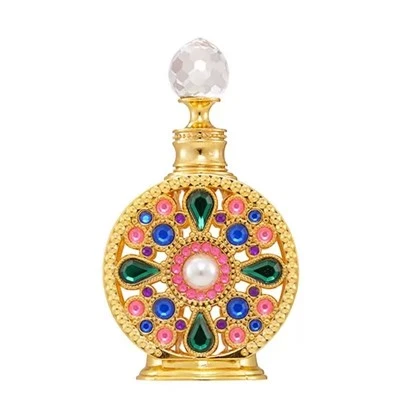
The packaging can also be used to create a sense of exclusivity and luxury. For example, using premium packaging materials, such as glass bottles with gold or silver caps, or adding a custom-made box or a gift wrap can make the product feel more special and increase its perceived value.
In addition to the physical packaging, the brand can also enhance the user experience by providing additional services or resources. For example, offering online tutorials on how to use the essential oils, providing a customer support line, or creating a loyalty program can help to build a strong relationship with the consumers and increase brand loyalty.
Conclusion

In conclusion, creating user-friendly essential oil packaging is essential for the success of essential oil products. By understanding the needs of the end-users, choosing the right packaging materials, designing for ease of use, considering the environmental impact, and enhancing the brand experience, essential oil suppliers can create packaging that not only protects the essential oils but also enhances the user experience.
Packaging Design If you’re in the market for high-quality, user-friendly essential oil packaging, I’d love to discuss your specific needs and requirements. We offer a wide range of packaging solutions, including glass bottles, plastic bottles, droppers, pumps, and closures, all designed to meet the highest standards of quality and functionality. Contact us today to start a conversation about your essential oil packaging needs.
References
- Amaratunga, D., & Haigh, R. (2009). Building Design Management. Wiley.
- Pahl, G., Beitz, W., Feldhusen, J., & Grote, K. H. (2007). Engineering Design: A Systematic Approach. Springer.
- Tull, D. S., & Hawkins, D. I. (1993). Marketing: An Introduction. Prentice Hall.
Winkuan Industrial Co., Limited
We’re well-known as one of the leading essential oil packaging manufacturers and suppliers in China since 1996. Please rest assured to buy high quality essential oil packaging made in China here from our factory. We also accept customized orders.
Address: No.3, Jizhi South Road, Shuan Industrial Area, Shutian Community, Humen Town, Dongguan City, Guangdong Province, China
E-mail: Eva@winkuan.net
WebSite: https://www.winkuanpackage.com/
