Hey there! I’m a supplier of vertical surface grinders, and I often get asked, "What materials can be ground by a vertical surface grinder?" Well, let me tell you, these machines are pretty versatile, and they can handle a wide range of materials. In this blog, I’ll break down some of the most common materials that you can grind using a vertical surface grinder. Vertical Surface Grinder

Metals
- Steel: Steel is one of the most commonly ground materials. Whether it’s mild steel, stainless steel, or tool steel, a vertical surface grinder can do the job. Mild steel is relatively soft and easy to grind. It’s often used in general – purpose applications like construction and manufacturing of basic machinery parts. Stainless steel, on the other hand, is a bit more challenging due to its hardness and tendency to work – harden. But with the right grinding wheel and proper technique, you can achieve a smooth finish on stainless steel. Tool steel is used for making tools, and it’s very hard. A vertical surface grinder can be used to sharpen and shape tool steel parts to precise dimensions.
- Aluminum: Aluminum is a lightweight metal that is widely used in the aerospace, automotive, and electronics industries. Grinding aluminum with a vertical surface grinder requires a bit of care. Aluminum is a soft metal and can clog the grinding wheel quickly. You need to use a special grinding wheel designed for aluminum and keep the wheel clean to prevent clogging. The good news is that once you’ve got the setup right, you can achieve a great surface finish on aluminum parts.
- Brass and Copper: These non – ferrous metals are often used in electrical components, plumbing fixtures, and decorative items. They are relatively soft and easy to grind. A vertical surface grinder can be used to create smooth surfaces and precise edges on brass and copper parts. The key is to use a grinding wheel that is suitable for non – ferrous metals to avoid excessive wear and tear.
Ceramics
Ceramics are becoming increasingly popular in various industries due to their high – temperature resistance, hardness, and electrical insulation properties. Grinding ceramics with a vertical surface grinder is possible, but it’s more challenging than grinding metals. Ceramics are brittle, and they can crack or chip during the grinding process. You need to use a diamond or cubic boron nitride (CBN) grinding wheel, which are very hard and can handle the abrasiveness of ceramics. The grinding speed and feed rate also need to be carefully controlled to prevent damage to the ceramic parts.
Glass
Glass is another material that can be ground using a vertical surface grinder. This is often done in the manufacturing of optical lenses, display screens, and glass art. Similar to ceramics, glass is brittle, so you need to use a diamond grinding wheel. The grinding process for glass requires a slow and steady approach to avoid cracking. You also need to use a coolant to keep the glass cool and prevent thermal stress, which can cause the glass to break.
Composites
Composite materials, such as carbon fiber – reinforced polymers (CFRP) and glass fiber – reinforced polymers (GFRP), are used in many high – performance applications, including aerospace, automotive, and sports equipment. Grinding composites with a vertical surface grinder can be tricky. The fibers in composites can be pulled out or damaged during grinding, leading to a poor surface finish. You need to use a grinding wheel with the right grit size and bond strength. Additionally, proper dust collection is essential because the dust generated from grinding composites can be harmful to health.
Stone and Concrete
In the construction and stone – working industries, vertical surface grinders can be used to grind stone and concrete. Natural stones like granite, marble, and limestone can be ground to create smooth and polished surfaces. Concrete can also be ground to level floors or to expose the aggregate for a decorative finish. For stone and concrete, you’ll need a diamond – tipped grinding wheel, as these materials are very hard. The grinding process can be a bit messy, so make sure to have a good dust control system in place.
How to Choose the Right Grinding Wheel
Choosing the right grinding wheel is crucial when it comes to grinding different materials. Here are some general guidelines:
- For soft metals like aluminum and brass, use a grinding wheel with a coarse grit and an open structure. This helps prevent the wheel from clogging.
- For hard metals like tool steel and stainless steel, use a finer – grit wheel. A wheel with a harder bond is also recommended to withstand the grinding forces.
- For ceramics, glass, and stone, always use a diamond or CBN grinding wheel. These are the hardest abrasives available and are suitable for grinding very hard materials.
Tips for a Successful Grinding Process
- Coolant: Using a coolant is important in most grinding processes. It helps to reduce heat, which can cause damage to the material being ground and the grinding wheel. For metals, a water – based coolant is often used. For ceramics and glass, a coolant can also help prevent cracking.
- Dress the Wheel Regularly: Dressing the grinding wheel keeps it sharp and ensures a consistent grinding performance. You can use a dressing tool to remove the dull abrasive grains and expose new ones.
- Control the Feed Rate and Speed: The feed rate and speed of the grinding process need to be carefully controlled. A too – high feed rate can cause excessive wear on the wheel and poor surface finish, while a too – low feed rate can be inefficient.
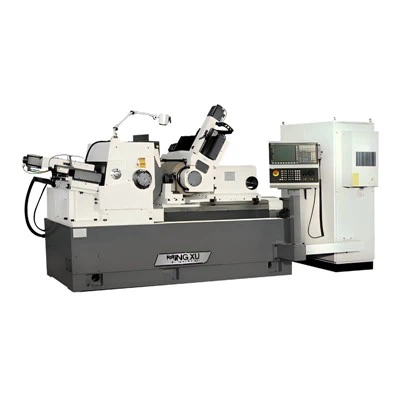
In conclusion, a vertical surface grinder is a powerful and versatile tool that can handle a wide variety of materials. Whether you’re working with metals, ceramics, glass, composites, or stone, with the right grinding wheel, proper technique, and a bit of know – how, you can achieve excellent results.
CNC Centerless Grinder If you’re in the market for a vertical surface grinder or have any questions about grinding different materials, don’t hesitate to reach out. We’re here to help you find the right solution for your specific needs. Let’s start a conversation about how our vertical surface grinders can improve your manufacturing process.
References
- "Grinding Technology: Theory and Applications of Machining with Abrasives" by Stephen Malkin
- "Modern Grinding Technology" by Peter K. Wright and David A. Batchelor
- Industry – specific handbooks on materials processing and grinding techniques.
Wuxi Mingxu Machinery Equipment Co., Ltd.
As one of the most professional vertical surface grinder manufacturers and suppliers in China, we’re featured by quality products and good price. Please rest assured to buy the best vertical surface grinder for sale here from our factory. Also, custom service is available.
Address: No. 5-5 Jinke Wealth Plaza, Changjiang North Road, Xinwu District, Wuxi City, Jiangsu Province
E-mail: yingyingmxjd@163.com
WebSite: https://www.mingxu-china.com/
