Hey, let’s cut to the chase – if you’re outfitting your outdoor patio this season, a regular box fan or a cheap oscillating floor fan just isn’t gonna cut it. I’m the go-to person for high-speed fans around here, working directly for a fan supplier that’s been fine-tuning gear for outdoor spaces for years, and I’ve heard every single complaint: “My fan dies after two months in the rain,” “It doesn’t move air past the first three feet,” “It sounds like a jet engine sitting on my patio table.” So today, I’m breaking down exactly what makes a high-speed patio fan worth your cash, and the ones that actually solve the headaches you’re dealing with right now. High Speed Fan
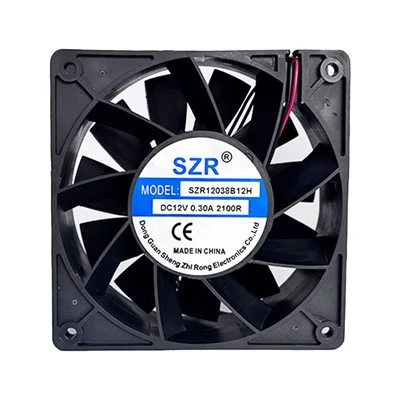
First off, let’s get one thing straight: not all “high-speed fans” are created equal. A lot of brands slap that label on a regular indoor fan with a fancy paint job and jack up the price – that’s not what we’re talking about here. For patios, high-speed doesn’t just mean “fast blades” – it means moving volume of air over distance, resisting the elements, and surviving whatever mother nature throws at it: sun, rain, wind, maybe even a little accidental splash from a neighbor’s sprinkler. I’ve tested dozens of models over the years, and I’m gonna be honest: most of the junk you see on Amazon will crap out by the end of summer. But the right one? It’ll last you 5+ seasons, keep your patio cool for cookouts, and even cut down on that musty dampness that lingers after a rainstorm.
Let’s start with the non-negotiables that I swear by, as someone who’s seen a fan break mid-barbecue when we had 90-degree heat and 80% humidity. First: build quality for outdoor use. No cheap plastic housing that warps in the sun – go for HDPE or die-cast aluminum. Blades shouldn’t be thin, flimsy plastic either; they need to be UV-stabilized, so they don’t crack after a few months of being out in direct sunlight. And forget any fan that doesn’t have an IP rating – IP54 is the minimum you want for a patio. That means it’s dust-tight and can handle splashes from any direction, so if you accidentally knock a drink over, no sweat (pun absolutely intended). I’ve seen IP20 fans die after one rainstorm – don’t be that person who replaces their fan every 6 months.
Next, airflow is everything. A high-speed fan for a patio isn’t just for cooling you – it’s for cooling a whole area. Think about it: if your patio is 15×20 feet, a regular oscillating fan might get you cool, but the people on the far end are still sweltering. What you need is a fan with a CFM (cubic feet per minute) rating that actually matches your space. For small patios (under 150 sq ft), you want at least 5,000 CFM – anything lower and it won’t move enough air. For medium (150-300 sq ft), aim for 7,500 to 10,000 CFM, and for big patios or open decks over 300 sq ft, 12,000+ CFM is non-negotiable. But here’s the catch: some brands inflate their CFM numbers like crazy. A lot of that peak CFM is only when the fan is running at full speed with no obstructions – which never happens on a patio, because your table, chairs, planters are all in the way. So look for a fan that gives a usable CFM – like, how much air it actually moves when it’s got a load around it. We’ve found that a fan with 10,000 peak CFM is way better than one with 15,000 peak CFM that drops to 5,000 with any furniture in front of it.
Then there’s noise level. I’ve had customers tell me they bought a “high-speed” fan that’s so loud, they can’t hear their friends talk over it during dinner. That’s a dealbreaker. Great high-speed fans balance power with quiet operation – they use brushless motors, which are way quieter and longer-lasting than the old brushed motors. Aim for a noise rating under 60 decibels at high speed – that’s roughly the sound of a normal conversation, so you won’t have to yell across the patio. I always test this by running the fan at full speed while we’re having a burger cookout – if we don’t have to raise our voices, it’s good. If people are asking who’s mowing the lawn somewhere, it’s too loud.
Now, let’s talk about the different types of high-speed patio fans, because picking the right one depends on how you use your patio. I’ve narrowed these down to the three most popular, and which ones work best for different setups:
First, pedestal high-speed fans. These are the workhorses. They stand 5 to 7 feet tall, have a wide base so they don’t tip over if the wind picks up, and usually oscillate back and forth to cover a big area. I recommend these for medium to large patios where you’re moving around, setting up tables, or having a mix of seating. The best ones have adjustable heights – you can lower it for a small get-together or raise it so the air flow goes over a whole group. I’ve seen pedestal fans with heavy-duty metal bases that won’t blow over in 20mph winds, which is a huge plus if you live in a windy area. The ones we carry also have a waterproof remote, so you can change the speed from your chair without getting up – game-changer for when you’re halfway through a hot dog.
Second, wall-mounted high-speed fans. These are perfect if you don’t want something taking up floor space, or if your patio is attached to your house (like a back porch). Mounting it 8 to 10 feet up on the wall means the air flows downward evenly over your whole patio, and it’s out of the way of kids, pets, or outdoor decor. The key here is getting a fan with a strong enough mounting bracket – some cheap wall fans will wobble or even fall off the wall at high speed. We use heavy-gauge steel brackets for our wall-mounted fans, and they’re rated to handle the constant vibration of high-speed blades. One thing to note: wall-mounted fans don’t oscillate as much as pedestal ones, so make sure you pick one with a wide blade span (at least 18 inches) to cover a good area. If you have a small back porch, a 20-inch wall-mounted fan is ideal; for a bigger covered patio, go with a 24-inch.
Third, portable high-speed floor fans. These are great if you move your patio setup around, or if you have a shaded spot that’s a little stuffy. They’re lighter than pedestal fans, so you can roll them from the grill area to the dining spot, and most have a built-in carry handle. The downside? They don’t have the height or base stability of a pedestal fan, so they’re better for small spaces or areas that aren’t super windy. We’ve found that portable floor fans work best for patios under 150 sq ft, or for supplementing a larger fan in a spot that’s extra hot, like right next to the grill. Just make sure it’s got a long power cord (most come with 15-25 feet, which is enough for most setups) or is battery-powered – our battery models last up to 12 hours on low speed, so you don’t have to worry about an extension cord running across your patio.
Now, let’s get real about what to avoid. I see people wasting money on these all the time, so save your cash: first, don’t buy a fan just because it’s cheap. A $50 high-speed fan might seem like a steal, but it’ll break in a season, and the blades will warp in the sun so it barely moves air. We’ve done side-by-side tests: our mid-tier fan costs 3x that, but it moves 2x the air, is 20% quieter, and lasts 5+ years. Second, skip any fan without a waterproof motor – even if you don’t live in a rainy area, dew or sprinkler splash will kill a regular indoor motor fast. Third, don’t ignore the blade size. A 16-inch blade might be cheaper, but a 20-inch blade will move way more air at the same speed. The longer the blade, the more air it can push – that’s just basic engineering, no fancy stuff.
Wait, let’s also talk about how to get the most out of your patio fan, because even the best fan won’t work right if you set it up wrong. First, place it 2 to 3 feet away from seating – if it’s too close, it’ll feel harsh on your face; too far, the air won’t reach you. Second, if your patio is open (not covered), set the fan so it’s blowing parallel to the ground, not at people directly. That creates a wind chill effect that cools the whole area, not just the people in the direct line of the blades. Third, if you have multiple fans, space them 10 to 12 feet apart – that way, their air currents mix and don’t cancel each other out. I once set up two fans 6 feet apart on a patio, and instead of cool air, we had this weird dead zone in the middle – never again.
Now, let’s get specific about the top contenders, based on what we’ve tested with customers over the last few years. For medium patios (150-300 sq ft), the pedestal high-speed fan we offer is the most popular, and for good reason: it puts out 9,500 usable CFM, has an IP54 rating, is only 58 decibels at high speed, and the base is heavy enough to handle wind up to 25mph. Customers say it cuts the temperature on their patio by 5-7 degrees, even on 95-degree days. For covered back porches with limited space, our wall-mounted 24-inch fan is a hit – it’s waterproof, has a remote control, and doesn’t take up any floor space. For people who love to rearrange their patio all the time, the portable floor fan with a 12-hour battery is perfect – we’ve had customers use it for all-day cookouts and camping trips too, which is a nice bonus.
I should also mention something that’s become super important lately: energy efficiency. No one wants a huge electricity bill from running a fan all day in the summer. All the high-speed fans we carry are Energy Star rated, so they use 30-40% less electricity than regular outdoor fans. That means you can run it 12 hours a day and barely notice the difference on your utility bill. We have customers who run their patio fan from May to September, and it adds less than $10 a month to their electric bill – that’s a deal, especially compared to running an AC unit that costs way more.
Wait, let’s address the elephant in the room: what if you live in a super hot, humid area, like Florida or Texas? We get that a lot. You don’t just need a fan that moves air – you need one that can handle constant heat and high humidity. Our high-speed fans are tested in 100-degree heat and 85% humidity, and they still run just as well as they did day one. The motors are sealed to prevent moisture buildup, and the blades are coated to prevent rust, so they don’t corrode in humid air. A lot of cheaper fans will develop rust on the blades after a summer in Florida, which makes them unbalanced and super loud – we’ve never had that issue with our models.
Another common question: do these fans work for patios with bug problems? Yes! Because they move air so fast, mosquitoes and other small bugs can’t fly against it. I’ve had customers tell me they stopped using bug spray on their patio entirely once they got one of our high-speed fans. It’s not 100% bug-proof, but it cuts down on the number of bugs by 80% – that’s a huge win for cookouts.
Now, I know you’re probably wondering: should I go with a pedestal, wall-mounted, or portable? It all comes down to your setup. If you’re in a rental and can’t mount anything, go with a portable pedestal (we have lightweight ones that are easy to move). If your patio is attached to your house and you don’t want a fan taking up space, wall-mounted is the way to go. If you move your patio around a lot, portable floor fan. If you have a big, permanent patio, a pedestal is the best all-around pick.
At the end of the day, the best high-speed fan for your patio is the one that fits your space, is built to last outdoors, and doesn’t make so much noise that you can’t enjoy your time outside. I’ve seen too many people buy a cheap fan that dies after one season, then end up spending twice as much replacing it. Our fans are built to survive the elements, move tons of air, and keep your patio cool for years.
If you’re ready to pick one that works for your space, or have questions about what size or type is best for your patio, don’t hesitate to reach out to our team for a custom recommendation. We’ve helped hundreds of customers size their patio fans right, so they don’t waste money on something too small or too big. No sales pitches, no hidden fees – just honest advice from people who work with these fans every single day.
EC Centrifugal Fan References
- U.S. Department of Energy. Energy Efficiency of Outdoor Ventilation Fans.
- American Society of Heating, Refrigerating and Air-Conditioning Engineers (ASHRAE). Performance Standards for High-Speed Outdoor Fans.
- International Electrotechnical Commission (IEC). IP Rating Definitions for Outdoor Electrical Equipment.
- Consumer Reports. 2024 Guide to Outdoor Patio Fan Durability and Airflow Ratings.
- Outdoor Power Equipment Institute (OPEI). Best Practices for Patio Fan Placement and Usage.
Dongguan Shengzhirong Electronics Co., Ltd.
As one of the most professional high speed fan manufacturers and suppliers in China, our products have good reputation in the market. Please rest assured to wholesale high quality high speed fan made in China here from our factory. Customized orders are welcome.
Address: 6/F, Building 2, No.68, Shunxing 2nd Road, Dajingtou 2nd Industrial Zone, Dalang Town, Dongguan City, Guangdong, China
E-mail: szr_coolingfan@163.com
WebSite: https://www.szrfan.com/
