If you’ve ever dabbled in industrial valves for pipelines, refineries, or chemical processing, you’ve probably heard the terms “pressure balanced plug valve” and “balanced plug valve” thrown around—maybe even mixed them up at first. When I first started out as a supplier of pressure balanced DBB (double block and bleed) plug valves, I totally get why the confusion happens. A lot of folks use “balanced” like it’s just a fancy buzzword for any plug valve that’s smooth or stress-free. But trust me, there’s a real, meaningful difference between these two types, and it matters a lot if you’re dealing with high-pressure systems, fugitive emissions, or consistent performance day in and day out. Let’s break this down like we’re chatting over coffee (no stuffy engineering jargon, I promise). Pressure Balanced DBB Plug Valves
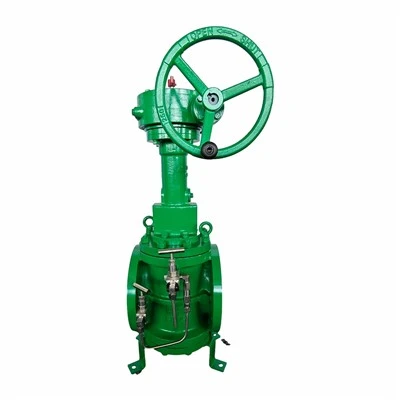
First, let’s start with the basics of a standard plug valve, because both of these spin off that core design. A plug valve has a tapered or cylindrical plug inside the valve body—think of it like a cork in a bottle, but instead of pulling it out, you turn a handle 90 degrees to open or close the flow. When it’s open, flow goes through a port in the plug; when it’s closed, the plug presses against two seats on either side to block flow. That’s the gist, right? Now, where “balanced” comes in is all about how pressure pushes on that plug and those seats.
A balanced plug valve, in simplest terms, cuts down on the side load that high pressure puts on the plug. Let’s say you’re working with a 1000 PSI gas line on a standard plug valve. Without balance, the full force of that pressure pushes on one side of the plug, so when you try to turn the handle, you’re fighting that 1000 PSI force. That’s why cheap plug valves feel like they’re frozen solid when you try to open them after they’ve been closed under pressure. A balanced plug valve fixes that by drilling small “balance ports” through the plug itself, so the pressure on the upstream side equalizes with the pressure on the downstream side of the plug. Now, there’s no huge unbalanced force pushing the plug to one side—turning the handle is way easier, even at super high pressures. That’s the key for a basic balanced plug valve: the ports equalize pressure across the entire plug to reduce operating torque.
But here’s where the pressure balanced plug valve (which is what I supply, by the way) is different. It’s not just about equalizing pressure on the plug for easier operation—it’s about actively managing pressure to protect the entire valve assembly, especially in critical systems where leaks are a nightmare. Let’s dig a little deeper into how each handles pressure. With a standard balanced plug valve, those balance ports let pressure equalize around the plug, but they don’t do anything for the seats. Wait, the seats are the parts that actually seal the line—if pressure is equal on both sides of the plug, the downstream seat might not get enough pressure to form a tight seal, right? That’s a problem in double block and bleed applications, which are super common in industries like oil and gas, petrochemicals, and water treatment where you need two separate barriers to prevent leaks.
A pressure balanced plug valve adds a second layer: the balance ports are designed to bleed or control excess pressure that builds up between the two seats (the “cavity” between them) when the valve is closed. Let’s paint a real scenario: say you have a pipeline carrying crude oil, and you need to isolate a section for maintenance. You close two pressure balanced plug valves in a DBB setup. When you close the upstream valve, the fluid trapped between the two plugs starts to heat up (from ambient temperature changes or process heat) and expand. If there’s no way to relieve that extra pressure, it can push on the seats, cause them to deform, or even crack the valve body. That’s the fugitive emissions nightmare everyone talks about—leaks that lead to wasted product, safety hazards, and huge compliance fines.
A pressure balanced plug valve solves that by routing that cavity pressure through the same balance ports to a bleed port (that’s the “bleed” part of DBB). So when you close the valve, any excess pressure between the seats doesn’t build up—it’s safely bled off to a low-pressure area or a vent line. That means the seats stay evenly loaded, the seal stays tight, and you don’t have to worry about the valve locking up or leaking when you need it most. The basic balanced valve, on the other hand, doesn’t have that cavity pressure management. It’s great for reducing torque in high-flow, single-isolation applications, but it’s not built for the tight, leak-proof requirements of critical DBB setups.
Let me also talk about when I see people mix these two up all the time: they’ll both look similar on the outside—they have a 90-degree turn handle, a similar body shape. The difference is inside the plug and the valve’s pressure control features. A balanced plug valve’s balance ports are just there to equalize plug pressure; they’re usually smaller, and they don’t connect to a dedicated bleed line. A pressure balanced plug valve’s ports are sized specifically to handle cavity pressure relief, and they’re integrated into the valve’s design to work with DBB configurations.
Another big point is performance consistency over time. Balanced plug valves can work okay for low-cycle applications—like a valve that’s opened and closed a few times a year. But if you’re cycling it multiple times a day (super common in refineries that route different products through pipelines), the unmanaged cavity pressure in a basic balanced valve will wear the seats out faster. The pressure balanced design keeps seat load even every single time you open and close, so your valve lasts longer, and you don’t have unexpected shutdowns for repairs. I hear from clients all the time that they switched from basic balanced valves to my pressure balanced DBB plug valves and cut their seat replacement costs by 30% in the first year. That’s not just a number—it’s less downtime, which translates to real money.
Safety is another angle that can’t be overstated. In industries handling toxic chemicals, flammable gases, or high-temperature fluids, a leaky valve isn’t just a maintenance issue—it’s a safety risk. A basic balanced plug valve might leak through the seats because the cavity pressure built up and pushed one seat away from the plug. The pressure balanced design eliminates that risk by relieving cavity pressure, so you have two solid barriers (the upstream and downstream seats) instead of one barrier fighting against unbalanced pressure. For example, if you’re isolating a section of natural gas pipeline, a leak from a basic balanced valve could lead to an explosion, but a pressure balanced plug valve’s bleed line lets you vent any trapped gas safely, no risk of buildup.
Wait, let’s clear up a common myth I run into: some folks think “pressure balanced” is just a marketing term for a plug valve with balance ports. No, it’s a functional difference. You can have a plug valve with balance ports that’s just a balanced plug valve—no cavity pressure relief. A pressure balanced one has the balance ports designed to handle that cavity pressure, which is a feature you don’t get with a basic balanced design. That’s why when I supply pressure balanced DBB plug valves, every unit is engineered to meet API 6D standards for double block and bleed, which is the industry benchmark for pipeline valves. Basic balanced plug valves rarely meet those standards, because they’re not designed for cavity management.
Let me give you a quick example to make it concrete. Suppose two valves: Valve A is a balanced plug valve, Valve B is a pressure balanced plug valve, both 4-inch, 1500 PSI. Close them both under 1000 PSI upstream pressure. For Valve A: the plug is balanced, so turning the handle is easy, but the fluid between the upstream and downstream seats gets trapped. Over a week, that fluid heats up by 10 degrees, expands, and creates 1200 PSI of cavity pressure. The downstream seat is pushed outward, so when you try to open the valve, the seat doesn’t seal fully anymore—you get a small leak. For Valve B: the balance ports route the 200 PSI of excess cavity pressure through the bleed line to a vent, so the seats stay loaded evenly. When you open the valve, no leak, handle still turns smooth, no risk of pressure buildup damaging the valve. That’s the real-world difference that saves clients headaches.
Now, why does this matter to you, if you’re the one buying these valves? It comes down to your application. If you’re looking for a valve that’s easy to operate for low-pressure, single-isolation tasks, a balanced plug valve might work for you. But if you’re working with high-pressure systems, DBB setups, fugitive emissions regulations, or frequent cycling, a pressure balanced plug valve is non-negotiable. I don’t just sell valves— I’ve been in the industry long enough to know that cutting corners on valve design leads to expensive problems down the line. A lot of my clients used to buy cheaper balanced plug valves, and they kept having to fix leaks or replace seats. Switching to my pressure balanced DBB plug valves fixed those issues almost overnight.
Another thing I want to mention: maintenance. Balanced plug valves can be harder to service because their balance ports are just for equalization, so if they get clogged with debris, you lose the torque benefit. Pressure balanced DBB plug valves have larger, dedicated ports that are less likely to clog, and the bleed line makes it easy to test if the cavity pressure is working right. You can do a simple bleed test to confirm the valve is functioning, which is a quick check that saves you from doing a full teardown every few months.
I get that when you’re sourcing valves, there’s a lot to consider—price, material, size, certification. The difference between balanced and pressure balanced plug valves is one of those details that might seem small, but it can make or break a project. I’ve seen clients try to save a few bucks by going with a basic balanced valve, and end up paying 10x more in downtime and repairs. That’s why I always take the time to walk through what your system needs, so you don’t pick the wrong valve.
If you’re reading this and thinking “I need valves for my refinery, chemical plant, pipeline, or water treatment facility,” and you want to avoid those common headaches, let’s connect. I don’t do one-size-fits-all sales— I’ll ask about your pressure levels, how often you cycle the valve, what fluids you’re handling, and whether you need double block and bleed capability, so I can recommend the right pressure balanced DBB plug valve for your exact setup. No pushy sales pitches, just honest advice based on what works in the field.
Orbit / Lift Type DBB Plug Valves References:
- “API 6D: Pipeline Valves Standard”, American Petroleum Institute, 2021.
- “Plug Valve Design and Application Guidelines”, Valve Manufacturers Association of America (VMA), 2020.
- “Fugitive Emission Control in Industrial Valves”, International Association of Oil & Gas Producers (IOGP), 2019.
- “Pressure Balanced Valve Technology for High-Pressure Pipeline Systems”, Journal of Industrial Valve Engineering, 2018.
Zhejiang Demelong Fluid Technology Co., Ltd.
As one of the most reliable pressure balanced DBB plug valves manufacturers and suppliers in China, we’re featured by quality products and good service. Please rest assured to buy bulk durable pressure balanced DBB plug valves from our factory. If you have any enquiry about customized service, please feel free to email us.
Address: No.7936, Sunshine Avenue, Oubei Street, Yongjia County, Wenzhou City
E-mail: dml@zjnsvalve.com
WebSite: https://www.cn-dmlv.com/
