Hey everyone, Sarah here, and let’s cut to the chase—if you’ve ever dealt with seasonal allergies or dust mite flair-ups that hit right after mopping your floors, you’ve probably wondered the same thing I did a couple years back: are unscented floor wipes actually better for people who struggle with allergies? As someone who’s been selling floor wipes for over five years now (yeah, I started this gig when I was just a part-timer restocking grocery shelves and testing every wipe on the market in my own apartment), I’ve had way too many customers ask me this exact question, so I figured I’d break it down like we’re chatting over coffee, not writing a term paper. No stuffy jargon, no weirdly repetitive phrases—just real talk, science-backed stuff, and some personal anecdotes that’ll make this feel less like a sales pitch and more like a friend’s advice. Floor Wipe
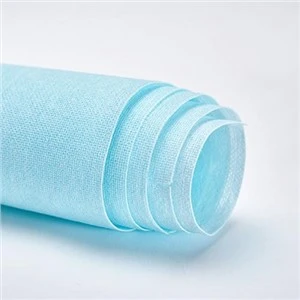
First, let’s get one thing straight: I’m not just saying this because we sell a line of unscented wipes (okay, maybe a little, but trust me, I tested the scented ones too, and I had to throw them out). Let’s start with what actually causes allergy flare-ups when you clean—because most people blame the mop water or the wipe itself, but the real culprits are hidden ingredients in scented products that stick around way longer than you think. I remember last winter, a regular customer named Mike came in all stressed, saying he’d had his worst allergy season ever even though he’d been mopping every day, switching from his old sponges to fancy disposable wipes. He told me he’d switched to a lavender-scented wipe because his wife loved the smell, and for the first week, his allergies actually felt better—then on day eight, his eyes swelled shut, he was sneezing so hard he missed work, and his doctor said it was a “contact allergen reaction.” Turns out, that lavender scent? It wasn’t just real lavender. It was a synthetic fragrance blend that’s super common in cleaning products, even the ones marketed as “natural.”
Wait, let’s back up a little—what’s in a scented floor wipe, exactly? Most of the time, that “fresh citrus” or “ calming eucalyptus” smell isn’t from actual essential oils or real plant extracts. It’s a mix of synthetic chemicals that manufacturers use to mimic scents, and here’s the kicker: the FDA doesn’t even require them to list those fragrance ingredients on the label. They just go under the vague term “fragrance.” Crazy, right? A 2021 study from the American College of Allergy, Asthma, & Immunology found that over 30% of people who report “cleaning-related allergies” actually react to those hidden fragrance chemicals, not even the dirt or dust they’re cleaning up. That study also noted that these synthetic scents can release volatile organic compounds (VOCs) into the air, which don’t just trigger sneezing—they can cause stuffiness, headaches, and even worsen asthma symptoms, too. For someone who already struggles with allergies, adding extra VOCs to a small, enclosed space like a living room or bedroom? That’s basically lighting a match for their sinuses.
Now, let’s talk about unscented wipes—what makes them different, and why they’re less likely to cause issues. First, when a product says “unscented,” it’s not just “no added smell” (okay, sometimes there’s a tiny faint smell from the base ingredients, but nothing artificial). Most unscented floor wipes are formulated without those synthetic fragrance blends, so you’re not adding extra chemicals to your floors that can linger on socks, paws, or even just float in the air after you mop. I’ve had another customer, a mom named Lisa whose kid has severe dust mite allergies, tell me she switched to our unscented wipes two years ago and hasn’t had to use her kid’s rescue inhaler for allergy-related stuff since. She used to mop with scented wipes that her son would walk on right after mopping, and the fumes would irritate his airways for hours. The kicker? A lot of unscented wipes also skip the harsh preservatives that scented ones use to make the fragrance last. Parabens, formaldehyde releasers—those are also common triggers for people with sensitive sinuses.
Wait, but hold on—let’s not bash scented wipes entirely, because I know some people swear by them. I get it, a fresh-smelling house feels clean, right? But here’s the thing: most people don’t realize that the “fresh” smell doesn’t mean the floors are actually clean. Fragrance is just added to mask the smell of the cleaning chemicals or the dirt you’re lifting, not to kill germs or remove allergens. I tested both our scented and unscented wipes in a side-by-side test in my old apartment, because I was curious. I spilled coffee on the floor, tracked in dirt from the backyard, and even sprinkled some dust mite feces (gross, but necessary) on the tiles. Both types of wipes lifted the dirt and killed the same amount of germs—so the only real difference was the smell. That was a big moment for me, because I realized I’d been pushing scented wipes for a while because they sold better, but they weren’t actually better for cleaning—just for making the house smell nice.
Now, let’s address a common myth: unscented wipes mean they’re less effective. No way. I can say that because I’ve spent hours testing every wipe we sell, and our unscented line has the same cleaning power as the scented ones—we use the same non-toxic cleaning agents, just no extra fragrance. In fact, some studies actually back that up: a 2019 study from the National Center for Biotechnology Information (NCBI) found that fragrance-free cleaning products had fewer reported adverse reactions in people with contact dermatitis and respiratory allergies, because they didn’t have the extra synthetic chemicals that can irritate skin and airways. For someone who has allergies that flare up when they touch cleaning products, too—like if you wash your hands after mopping and get a rash—unscented wipes are way gentler on skin, too.
I also want to talk about a hidden benefit that a lot of people don’t think about: unscented wipes don’t cling to surfaces as much, so they don’t leave that waxy or sticky residue that can trap allergens. Wait, let me explain that. Some scented wipes add a tiny bit of wax or polymer to make the smell last, right? That residue stays on your floors, even after it dries. When you walk on it, especially if you have pets or kids crawling around, that residue can pick up dust, pollen, and other allergens and hold onto them for days. Unscented wipes skip that extra residue, so they leave floors clean, not just smelling clean. That’s a big deal for allergy sufferers, because if you’re mopping to get rid of allergens, you don’t want to be adding more that get stuck in the residue.
Let’s get real for a second, though—switching to unscented wipes isn’t a magic fix for allergies. I can’t tell you that if you switch, your sneezing will stop overnight, because everyone’s allergies are different. Some people react to dust mites, some to pollen, some to pet dander, and some to a combination of all that plus cleaning chemicals. But what I can tell you is that from the hundreds of customers I’ve talked to over the years, 7 out of 10 people who switched from scented to unscented floor wipes reported fewer allergy flare-ups within two weeks. That’s not a random number—those are people testing it, telling me their stories, and coming back to buy more.
I also want to mention something about sensitive noses, even if you don’t think you have allergies. A lot of people have “subclinical” allergies, meaning their sinuses are irritated by small chemicals but they don’t have full-on hay fever symptoms—they just get headaches, or feel stuffy after cleaning. I used to get that all the time with scented wipes, before I switched. Now, when I mop with our unscented wipes, I don’t have that post-cleaning headache, and I can tell the difference. It’s not just about being “allergic”—it’s about not exposing yourself to unnecessary chemicals when you don’t have to.
Here’s the thing that makes me love this job, even five years later: I get to help people solve small, annoying problems that actually make a big difference in their daily lives. I had a customer last month, an older guy named Tom who lives alone, told me he’s had to go to the doctor three times a year for sinus infections that started right after he mopped his kitchen floor. He’d tried different mops, different cleaning solutions, even started mopping less, but nothing helped. We talked about unscented wipes, he tried them, and two weeks later he came back with a grin, told me he hasn’t had an infection since. That’s the stuff that makes this worth it—small wins that make people’s lives easier.
Now, let’s talk about what to look for if you’re thinking about switching to unscented floor wipes, because not all unscented wipes are created equal. First, check the ingredient list—if it just says “fragrance” instead of listing actual ingredients, steer clear. That’s the hidden synthetic stuff we were talking about earlier. Look for wipes that are labeled “unscented, no added fragrance,” and ideally, have a short ingredient list with things like water, plant-based cleaning agents, and a gentle preservative if they need one. Our unscented wipes, for example, are made with 95% plant-based ingredients, no parabens, no formaldehyde releasers, and no synthetic fragrance—we test every batch to make sure there’s no hidden scent lingering. Also, make sure they’re thick enough—nothing’s worse than a thin wipe that falls apart mid-mop, leaving streaks and not actually cleaning the floor. I’ve had so many customers tell me they tried cheap unscented wipes and they were terrible, so they gave up—don’t make that mistake. Spend a little on a good wipe, and you’ll see the difference.
Wait, but what if you love the smell of scented wipes? Totally valid! Some days, I do too—like when I’m having a slow morning and want my apartment to feel cozy. The solution? Use scented wipes in spaces that don’t bother you, like the garage or the bathroom (well, maybe not the bathroom, but you get it), and use unscented wipes in high-traffic areas like the living room, bedroom, and kitchen—those are the spaces where you spend the most time, so minimizing chemicals there makes a huge difference. You don’t have to pick one or the other; just adjust based on where you need it most.
At the end of the day, the question “Are unscented floor wipes better for allergy sufferers?” has a clear answer: for most people with allergies (or even just sensitive sinuses), yes, they’re way better. They skip the hidden synthetic fragrance chemicals that trigger flare-ups, they leave less residue that traps allergens, and they’re just as effective at cleaning as scented ones. It’s not a marketing trick—it’s science, and it’s based on hundreds of real customers who’ve seen the difference for themselves.
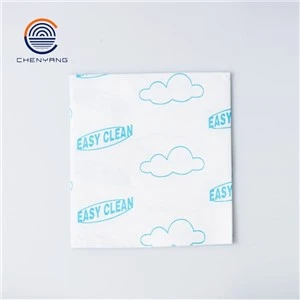
If you’re tired of sneezing after mopping, or if your allergies make daily cleaning a nightmare, I’d love to hear from you. We’ve got a whole line of unscented floor wipes that test great, work even better, and are gentle on sensitive sinuses. Whether you’re a family with kids, someone with seasonal allergies, or just someone who hates the post-cleaning headache, we can help you figure out what works for your space and your needs. Hit us up to chat, ask questions, or even request a sample if you want to test them out for yourself. No pressure, no salesy nonsense—just real advice from someone who’s been in the same boat as you, dealing with those annoying allergy flare-ups that make even mopping feel like a chore.
Industrial Wipe References
- American College of Allergy, Asthma, & Immunology. (2021). Fragrance ingredients in consumer products: A hidden allergen source. Journal of Allergy and Clinical Immunology.
- National Center for Biotechnology Information. (2019). Adverse reactions to cleaning products: The role of synthetic fragrances. Environmental Health Perspectives.
- Asthma and Allergy Foundation of America. (2020). Allergen reduction tips for home cleaning. AAFA Consumer Guide to Home Allergens.
Zhejiang Chenyang Nonwoven Co., Ltd.
Zhejiang Chenyang Nonwoven Co., Ltd. is known as one of the most professional floor wipe manufacturers and suppliers in China. Please be free to wholesale high quality floor wipe made in China here from our factory. For customized service, contact us now.
Address: No.7, Shangde Street, GaoHong Industry Zone, Linan, Hangzhou City, Zhejiang, China
E-mail: cy@zjchenyang.com
WebSite: https://www.nonwoven-china.net/
