If you’ve ever stood next to a stock electric dirt bike, twisting the throttle and feeling it lurch forward faster than you expected, you’ve probably wondered: can you actually adjust the speed? As someone who’s worked with electric dirt bikes for years—running a small, hands-on operation supplying models for both casual trail riders and competitive amateur racers—I get this question every single week. It’s not just a curiosity; it’s a practical need. A teen learning to ride on private land doesn’t need the same top speed as a rider prepping for cross-country events. A trail rider who shares paths with hikers needs a lower limit, while a private track enthusiast might want every bit of power available. Let’s break this down, how it works, and what’s actually possible when you’re dealing with electric dirt bikes, no fluff, just the real stuff I’ve seen and helped customers navigate over the years. Electric Dirt Bike
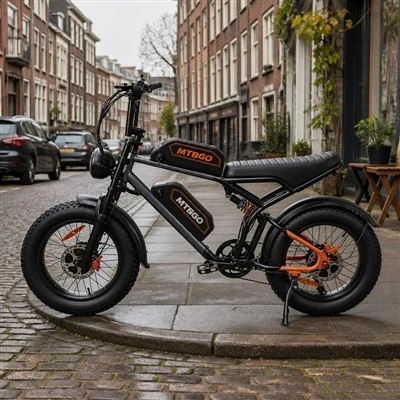
First, let’s get one thing straight: electric dirt bike speed isn’t just a single number. It’s tied to a few key parts, all of which are adjustable in different ways. Most people start with the throttle, but that’s only the tip of the iceberg. The motor, the controller, the battery, even the gearing all play a role. Here’s the core truth: yes, you can adjust the speed, but what you can change depends on the model, your skill level, and what you’re actually trying to achieve.
Let’s start with the most common, easy-to-adjust option: the controller. The controller is essentially the brain of the electric dirt bike. It’s the device that takes input from the throttle and tells the motor how much power to send. Almost every modern electric dirt bike—even the more budget-friendly models we supply—has a programmable controller, and that’s where most speed tweaks happen. A lot of people don’t know this, but many brands set a “factory limit” for a few reasons. For teen models, it’s a safety thing; you don’t want a new rider accidentally hitting full speed before they’re ready. For some entry-level models, it’s a way to cater to different markets—one bike can be sold as a “beginner” or “advanced” version just by tweaking the controller settings.
From my experience, adjusting the controller is usually done via a handheld programmer, not by opening up wires and doing something sketchy. You plug the programmer into a port on the bike, and it lets you change things like the maximum speed, the throttle response, even the power output. For example, if a customer has a 20 mph beginner model and wants to bump it up to 28 mph once they’re more comfortable, we can do that with a controller tweak. But wait—there’s a catch here. The controller’s max speed is tied to the battery’s voltage and the motor’s rpm. If you crank the controller too far past what the motor and battery are designed for, you run into problems. The battery can overheat, the motor might wear out faster, and you could void the warranty. That’s why I always tell customers: don’t chase the highest number possible. Adjust it to fit your skill and the terrain you ride on.
Next, there’s gearing. This is a physical tweak, not a digital one, but it’s super effective for adjusting speed. Gearing works like this: the front sprocket (attached to the motor) and the rear sprocket (attached to the wheel) work together to transfer power. If you make the front sprocket smaller or the rear sprocket bigger, you get more torque, which means better acceleration, but lower top speed. If you make the front sprocket bigger or the rear sprocket smaller, you get higher top speed, but less low-end power. I’ve had customers swap sprockets all the time. A guy who rides tight, rocky trails in the local woods wanted more torque to crawl over logs, so we put a larger rear sprocket on his bike, and suddenly it was easier to maneuver over rough terrain—even though his top speed dropped a little. Another customer, a racer prepping for a 10-mile track event, wanted a higher top speed to cover straightaways faster, so we swapped to a smaller rear sprocket, and that made a big difference. The good thing about gearing is it’s not permanent, and it’s pretty easy to do if you’re comfortable with basic wrenching. But again, it’s not for everyone—if you’re a beginner, a controller tweak is way simpler than messing with sprockets.
What about the battery? Can you adjust speed by changing the battery? In a way, yes, but it’s not that straightforward. The battery’s voltage is a big factor in how much power the motor can put out. A 48V battery will give less power than a 72V battery, for example. But swapping a battery isn’t as simple as swapping a phone battery. You have to make sure the battery fits the frame, the connector matches, and the controller can handle the higher voltage. For most casual riders, that’s not worth it. The cost of a high-voltage battery is usually way more than a controller tweak or a sprocket swap. But for more serious riders, it’s an option. I’ve supplied a few custom builds where a customer wanted to go faster, so we upgraded the battery and adjusted the controller to match, and that gave them a noticeable speed boost. Just know that upgrading the battery also means heavier weight, which might affect how the bike handles on trails.
Now, let’s talk about the myths. A lot of people think you can just rewire the motor to make it go faster, but that’s not a good idea. Rewiring a motor can lead to overheating, which is a fire risk in some cases, and it can destroy the motor way faster than normal. We’ve seen customers try that, and 9 out of 10 end up with a broken motor that costs more to fix than the bike itself. Another myth: the throttle is the only way to adjust speed. No, the throttle just controls how much power you use at any given time. If your controller is set to max 20 mph, twisting the throttle all the way will only get you to 20 mph. Adjusting the controller changes that cap, not how the throttle works.
Also, safety is non-negotiable here. When you adjust speed, you have to match it to your skill level. I’ve had too many customers come back after tweaking their controller too high, crashing because they couldn’t handle the power. Electric dirt bikes are lightweight and fast—they can flip if you’re not careful. We always advise that if you’re a teen or a new rider, start with the stock speed limit, and only bump it up as you get more comfortable. For anyone riding on public land, make sure you check local laws. Some areas have speed limits for off-road vehicles, and adjusting your bike above that can get you a ticket. That’s a big one—don’t let a speed tweak get you in trouble with the local authorities.
What about different types of electric dirt bikes? Let’s say you have a kids’ model vs. an adult model. The kids’ models almost always have a factory controller lock, so you can’t just tweak it without a special key or password. That’s a safety feature, and we respect that. We don’t encourage anyone to bypass those locks on a kid’s bike. For adult models, which usually don’t have those locks, you have way more flexibility. But even then, we recommend working with a professional if you’re not comfortable with electronics. We have a service team that helps customers adjust their controllers, swap sprockets, or upgrade batteries, so if you’re not sure, that’s the way to go. It costs a little, but it saves you from making a mistake that can ruin your bike or hurt yourself.
Another thing to consider: range. If you adjust your speed higher, your range will go down. That’s just physics. More speed means more power, which means the battery drains faster. If you’re planning a long trail ride, you don’t want to tweak your speed so high that your battery dies halfway through. We have customers who go back and forth—one day they’re riding for a few hours, so they keep the speed lower to extend range, and another day they’re on the track, so they crank it up. It’s all about balancing what you need for that ride.
Let me share a couple of customer stories to make this real. Last year, a dad bought a mid-sized electric dirt bike for his 14-year-old son, who was just starting out. The bike came with a 20 mph limit. The dad thought, “He’ll outgrow that soon,” so he tried to adjust the controller himself. He didn’t know about the warranty thing, and he messed up the settings, which fried the controller. He came to us upset, and we fixed it, but we also walked him through how to adjust it properly. We set it to 20 mph for the first three months, then bumped it up to 25 once his son was more comfortable. Now his son rides on private trails, and they’re both happy with the adjustment.
Another story: a guy named Mike who races in amateur cross-country events. He had a stock electric dirt bike, and he was struggling to keep up with the guys on more modified bikes. He came to us, and we swapped his rear sprocket to a smaller one and adjusted his controller to remove the factory limit. That bumped his top speed from 32 mph to 38 mph, and he told me it made a huge difference on the straightaways. He won his first race after that. But we also warned him that his range would go down from 25 miles to around 18, which was perfect because his races are only 15 miles, so he had enough power and didn’t have to worry about dying mid-race.
So, putting this all together: yes, you can adjust the speed of an electric dirt bike, but it’s not a one-size-fits-all. The easiest and most common way is a controller tweak, which is safe if you do it right. If you want more of a long-term change, gearing is a great option. Upgrading the battery is a way to go faster, but it’s more expensive and not necessary for most riders. The key is to know what you’re trying to achieve, match the adjustment to your skill, and always keep safety and local laws in mind.
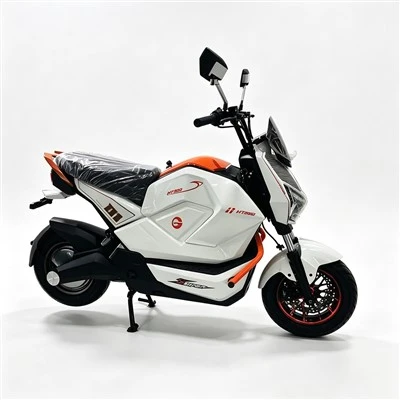
If you’re thinking about adjusting the speed of your electric dirt bike, or you’re in the market for a model that’s flexible for tweaks, reach out to us. We don’t just sell bikes—we help you figure out what works for your riding style, whether you’re a beginner, a trail rider, or a racer. We can walk you through the options, help you with adjustments, or even build a custom setup that fits exactly what you need. Don’t guess at how to tweak your bike—get the right info from people who work with these bikes every day.
Electric Bike References
- Off-Road Electric Vehicle Safety Handbook, International Off-Highway Equipment Association, 2022
- Electric Dirt Bike Performance and Maintenance Guide, Dirt Rider Electric, 2023
- Battery and Motor Compatibility for Electric Off-Road Vehicles, Journal of Electric Vehicle Technology, 2021
- Local Regulations for Off-Road Electric Vehicles, National Recreational Off-Road Association, 2022
Hebei Xiaotianhang Bicycle Co., Ltd.
Hebei Xiaotianhang Bicycle Co., Ltd. is one of the most professional electric dirt bike manufacturers and suppliers in China, also supports customized service and OEM service. Please feel free to wholesale bulk CE approved electric dirt bike in stock here and get pricelist from our factory. Quality products and reasonable price are available.
Address: Xingye North Street, North of Economic Development Zone, Guangzong County, Xingtai City, Hebei Province
E-mail: nickie@hbxiaotianhang.com
WebSite: https://www.xiaotianhang.com/
