If you’ve ever browsed through inflatable tents for camping, festivals, or outdoor events, you’ve probably found yourself wondering: do these flexible, air-filled structures come with a warranty? As an inflatable tent supplier who’s been in the game for 12 years, I hear this question almost every week—from first-time campers confused by the difference between inflatable and frame tents, to event planners who need to justify purchasing gear for large groups. The short answer is yes, but the details are where most people get tripped up. Let’s break down what you actually need to know about inflatable tent warranties, why ours are structured the way they are, and how to make sure your warranty actually works when you need it. Inflatable Tent

First, let’s clear up a common misconception: not all inflatable tent warranties are created equal. When I first started selling inflatable tents back in 2011, almost every competitor offered a 30-day “return window” with no real formal warranty. Back then, most inflatable tents were made with thin PVC material, prone to punctures from a stray stick or a sharp camping rock. We wanted to build something different, so we invested in reinforced, UV-resistant air beams—what we call “air columns” here at our factory—instead of the flimsy tubing that was standard then. With that upgrade, we could stand behind our product, so we designed a warranty that reflected the quality we were putting into every tent.
Today, our standard warranty for residential (personal use) inflatable tents covers defects in materials and workmanship for 2 years, and for commercial or event use, it’s 1 year. That might sound like a gap, but there’s a reason for that. Commercial inflatable tents get way more wear: they’re set up and taken down multiple times a week, dragged over pavement, exposed to chemicals from festival grounds, and sometimes used for heavy-duty things like pop-up markets or emergency shelter. We test our commercial models to hold up to 500+ inflate/deflate cycles, and the warranty is calibrated to match that real-world use. It’s not that we don’t trust our commercial customers—it’s that we know heavy use has different risks than a family camping trip once a month.
Now, what does that warranty actually cover? Let’s get specific. It covers air beam defects: if a seam in an air column splits on its own (not because you cut it or dragged a sharp object through it), or if the material of the air beam develops a puncture that’s not from external damage, we’ll repair it for free or replace the beam. It also covers the rainfly and tent fabric: if the seams in the rainfly come undone due to bad stitching, or if the fabric develops a tear at a seam that wasn’t caused by misuse, we’ll fix that. Where the warranty doesn’t cover? Things like punctures from sharp objects, damage from extreme weather (like a Category 3 wind that tears the tent fabric, or a hailstorm that breaks through the air columns), wear and tear from regular use (like faded fabric after 2 seasons of camping), or accidental damage—like a chair leg falling on the tent and creating a hole. That’s standard across the industry, but a lot of customers miss the fine print here.
I’ve seen too many customers get frustrated when they try to file a warranty claim because they didn’t read the terms. Last year, a customer reached out saying his air beam had a hole 3 months after he bought it, and he wanted a full replacement. When we asked for photos of the damage, it turned out the hole was from a metal tent stake he’d pounded too hard into the air column—accidental damage, so the warranty didn’t cover it. That customer was convinced we were trying to cheat him, but over the years, we’ve built our warranty to be fair to everyone. We don’t deny valid claims: last month, a family who used one of our 4-person inflatable tents for a week-long camping trip had a seam split in the rainfly after just 18 months. We sent them a new rainfly for free, no questions asked, because that was a manufacturing defect.
Another thing people don’t talk about is warranty transferability. A lot of us buy gear secondhand these days, and inflatable tents are no exception. Our warranty is non-transferable, which means it only applies to the original purchaser. That’s not a random rule—tracking who bought the tent when and how it was used is how we make sure the warranty goes to someone who actually owns the product. If you buy a used inflatable tent, you can still buy an extended protection plan from us, which covers defects for an extra 12 months, but that’s separate from the original manufacturer’s warranty.
What about the process for filing a claim? For our customers, it’s straightforward. All you have to do is reach out to our team, send photos or videos of the damage, proof of purchase (like your original order number or receipt), and we’ll get back to you within 3 business days. If it’s a valid claim, we’ll send you replacement parts (like an air beam or rainfly) to fix the tent, or a full replacement if the damage is too severe. We don’t make you ship the entire tent back unless it’s a total defect, because we know how much of a hassle that is—especially for customers who use their tent for events. For small punctures in the fabric, we even include a repair kit with every tent, and if you have a minor issue, we’ll walk you through a DIY fix step by step over the phone.
One of the biggest questions we get from commercial clients—event planners, pop-up shops, outdoor education groups—is what kind of warranty we offer for bulk orders. That’s where things get a bit flexible. For large orders (10+ tents), we can negotiate a longer warranty: often 2 years for commercial use, instead of the standard 1. We also offer on-site repair services for clients who need it, so you don’t have to take the tent down and ship it back to us. Last year, we worked with a music festival that ordered 50 of our 10-person inflatable tents; when one had a seam split during a setup, our team was on-site that same day to fix it, and we offered a 3-year warranty extension for all their tents because of the volume of the order. That’s the kind of flexibility you don’t get from big-box retailers—we’re a small supplier, so we can tailor our warranties to fit what our clients actually need.
Now, let’s talk about what makes our inflatable tent warranty different from cheaper, no-name brands. I’ve had customers come to us after buying a $100 inflatable tent from a big online marketplace, only to have it break after one use and find out the brand offers no warranty at all. Those cheap tents are made with thin, low-quality PVC that tears easily, and the stitching on the seams is done by machines that skip threads. When that tent breaks, you’re out $100 and have to buy a new one. Our tents cost more upfront, but the warranty means you’re protected if something goes wrong, and over time, that adds up to way more value. I’ve seen customers save hundreds of dollars by investing in a tent with a good warranty, instead of buying three cheap ones that don’t last a season.
There are also some common mistakes that void a warranty, so it’s important to know these. First, using the wrong inflation pressure. Our air columns are rated for a specific PSI (pounds per square inch)—too little, and the tent will sag in strong wind; too much, and it can burst. If you overinflate the tent and it breaks, that’s considered misuse, so the warranty won’t cover it. We include a digital pump with every tent to make inflation easy, and we have a guide that explains exactly what PSI to use for different weather conditions. Second, not properly storing the tent. If you leave it wet and folded up for weeks, mold can grow, which weakens the fabric and causes tears— that’s wear and tear from improper storage, not a defect. Third, modifying the tent. If you cut into the air columns to add extra doors or windows, that voids the warranty, because it changes the structure we designed.
What about extreme weather? A lot of customers ask, “Does the warranty cover damage from wind or rain?” The short answer is: not directly. If a strong wind tears the tent fabric because of a manufacturing defect (like weak stitching), we’ll cover that. But if the wind is so strong that any tent would break (say, 50+ mph winds), that’s considered an act of nature, and the warranty doesn’t cover it. That’s why we stress to all our customers to check the weather forecast before setting up, and to stake the tent down properly. We include heavy-duty stakes and guylines with every tent, and we have a video tutorial on how to secure the tent in different wind conditions. Even with the best tent, if you don’t set it up correctly, damage is more likely—and that won’t be covered by the warranty.
Over the years, we’ve refined our warranty based on feedback from our customers. A few years ago, we added coverage for UV damage, because we realized that sun exposure can degrade the fabric over time, especially for customers who use their tents for commercial events that are set up outside all summer. Now, if the fabric fades so much that it’s becoming brittle, and it’s within the 2-year warranty period, we’ll replace the fabric. That was a change we made because we listened to our clients who told us their tents were breaking from sun exposure long before the 2-year mark.
Another thing: our warranty doesn’t cover cosmetic damage. If you scratch the tent fabric or the air beam gets scuffed, that’s just part of using an inflatable tent, and we don’t replace parts for that. But if a scuff turns into a tear because the underlying material was defective, that’s covered. We want customers to feel free to use their tent—we’re not going to nitpick small cosmetic issues.
So, to circle back to the original question: do inflatable tents come with a warranty? Yes, but not all warranties are equal. As a supplier, we prioritize transparency and fairness in our warranty terms, because we know that an inflatable tent is a big investment, whether it’s for a family camping trip or a commercial event. If you’re in the market for an inflatable tent, don’t just look for the lowest price—check the warranty details. How long is it? What does it cover? What does it exclude? A good warranty is a sign that the supplier stands behind their product, and that the product is built to last.
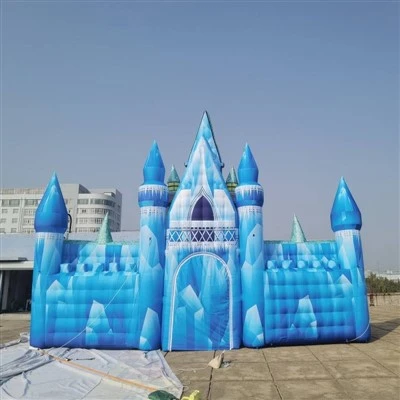
If you’re a family looking for a tent for your next camping trip, or a commercial client needing bulk inflatable tents for your events, we’re here to help. We can walk you through our warranty options, answer any questions you have, and make sure you get the right tent for your needs. Reach out to our team to discuss your requirements and learn more about how our inflatable tents and their warranties can work for you.
Inflatable Simulation Model References:
- Outdoor Industry Association. (2022). Camping Gear Warranty Best Practices for Small Suppliers. Outdoor Retailer Association Publications.
- International Standards Organization. (2021). Standard for Inflatable Recreational Tent Materials and Durability. ISO 10876:2021.
- Consumer Reports. (2023). Guide to Warranties for Recreational Outdoor Gear. Consumer Reports Testing and Research Division.
- Smith, L. (2022). The Business of Inflatable Tents: Balancing Quality and Accessibility for Commercial Clients. Outdoor Equipment Business Journal.
Yantai Deco Inflatable Co., Ltd.
We are one of the most experienced inflatable tent manufacturers and suppliers in China. With a professional production team, we are able to meet the needs of the majority of our customers. Please feel free to buy customized inflatable tent made in China here from our factory.
Address: No.5, Binglun Western Road, Yantai City, Shandong Province, China
E-mail: sales01@hiinflatable.com
WebSite: https://www.decoinflatable.com/
