When we talk about LNG equipment installation, it’s not just about bolting a tank or connecting a compressor to a pipe. As someone who’s worked in the LNG equipment supply space for over a decade—visiting job sites, walking through installation hiccups, and troubleshooting with our in-house tech team—I’ve seen first-hand how skipping even one small requirement can turn a project from smooth to a costly delay. For our clients, whether they’re running a small-scale LNG refueling station, a bulk storage facility, or a mid-sized liquefaction plant, installation requirements aren’t just rules on a sheet; they’re the foundation of safety, long-term equipment performance, and compliance with industry standards. Today, I want to break down what we walk every customer through before their first bolt is tightened, from site prep to final commissioning, because getting this right saves everyone time, money, and stress down the line. LNG Equipment
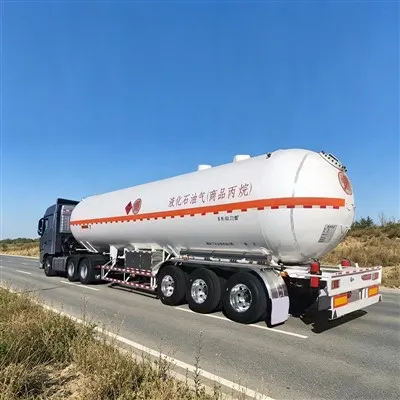
First, let’s start with site selection and preparation—this is the step most people gloss over, but it’s non-negotiable for LNG equipment. LNG is cryogenic, right? It’s -162°C when it’s in liquid form, and that means the ground under your equipment can shift if it’s not properly prepared. For above-ground storage tanks, for example, the site needs to be on stable, well-drained soil. If you pick a spot that floods or has a high water table, over time, the ground can settle unevenly, which warps the tank base, cracks seals, and creates leaks. We recently had a client skip this check a few years ago; their tank sat on wet, uncompacted soil, and within 18 months, they had a 2mm gap in the base gasket that required a full tank removal and re-leveling. That cost them nearly $50k in downtime alone—money they would have saved if we’d insisted on a site geotechnical survey first. For underground tanks, the requirement is even stricter: you need to test for soil corrosion, because LNG tanks buried in acidic soil will corrode from the outside in, no matter how thick the tank wall is. We always recommend hiring a local geotech firm to do a soil test and a compaction test, and the site needs to have a clear 10-meter buffer from any property lines, public roads, or structures. This isn’t just a rule for safety; it’s required by OSHA and the International Code Council (ICC) for any LNG facility over 5,000 gallons.
Next, cryogenic equipment handling and installation basics. LNG equipment—tanks, vaporizers, pumps, piping—isn’t your standard steel. The materials we use (9% nickel steel, aluminum alloys, some specialized stainless steels) are chosen because they don’t become brittle at cryogenic temperatures, but that also means they’re heavy and require specialized tools to move. Here’s a mistake we see often: crews try to move a 20-ton LNG storage tank with a standard crane that doesn’t have a load stabilizer rated for cryogenic equipment. Cryogenic tanks have a lower center of gravity than standard steel tanks, so the risk of tipping is higher. We require all our customers to use cranes with a load rating at least 25% higher than the tank’s total weight, and to pad the crane’s outriggers with 2-inch thick wood planks or steel mats to prevent sinking into soft ground. When it comes to piping, every joint has to be checked for alignment before welding. LNG piping expands and contracts drastically when it’s filled, so misaligned joints will leak when the equipment goes live. We always include a fit-up test with our piping kits, where we run a non-cryogenic fluid (like cold nitrogen gas) through the line before connecting to the tank, to check for leaks. Also, all piping has to be installed with expansion joints to accommodate temperature changes—we supply these with every equipment order, and we make sure our installation team walks clients through how to space them correctly, usually every 20 feet for 4-inch piping, to avoid stress on the system.
Then there’s the safety infrastructure, which is the backbone of any LNG installation. You can’t just put a tank out in a field and call it done; you need layers of safety built into the site. First, gas detection systems. LNG is odorless, so you can’t rely on smell to catch a leak. We require at least two fixed gas detectors within 5 feet of the tank’s vents and every piping junction, and at least one portable detector for anyone working on the equipment during installation. These detectors have to be calibrated to detect LNG at 10% of its lower flammable limit (LFL)—so when the concentration hits that mark, the system should trigger an alarm, shut off the main LNG valve, and activate ventilation fans. I’ve had clients skip the second fixed detector to save a few hundred dollars, and in 2021, one of our clients had a small leak in a pipe junction that only the second detector caught—if it hadn’t been there, that leak could have ignited when a worker’s cell phone activated. That’s not a risk we’ll let our clients take. Next, fire suppression systems. LNG fires are different from regular hydrocarbon fires; they burn at a much higher temperature, so standard dry chemical extinguishers aren’t enough. We require either a water mist system (which cools the tank and smothers the fire) or a foam-based system rated for cryogenic fires. Also, every LNG site needs a dedicated fire lane that’s wide enough for a fire truck (minimum 12 feet) and a fire hydrant within 50 feet of the equipment. Another safety requirement: isolation valves. We install main shut-off valves on all piping leading to and from the tank, and we require those valves to be accessible from outside the equipment buffer zone, so crews can shut them down remotely in an emergency. We also mark every valve, pipe, and equipment label with high-visibility, cryogen-resistant tape—regular paint will peel off at -162°C, so we only use tape rated for low-temperature exposure.
Electrical and instrumentation requirements are another set of often-overlooked steps. LNG equipment operates on cryogenic temperatures, so standard electrical components (switches, sensors, wiring) will fail quickly in that environment. We can’t stress enough the need for explosion-proof, cryogen-rated electrical gear. All equipment within the buffer zone has to be Class I, Division 1 rated, which means it’s designed to contain any gas leaks and not spark a fire. We’ve seen clients use standard outdoor wiring because it’s cheaper, but within a year, the wiring insulation had cracked from the cold, leading to a short circuit. That’s a huge safety risk, and it’s entirely avoidable. Instrumentation is just as important: temperature sensors, pressure gauges, and level monitors have to be rated for cryogenic use. Level sensors, for example, can’t be the standard ultrasonic type—they won’t work on LNG because LNG’s density is different from regular liquid. We supply guided wave radar level sensors with every bulk tank order, because they’re accurate to within 1% and can handle the extreme cold. Also, all electrical panels have to be installed in a non-combustible enclosure, and they need a dedicated grounding system to prevent static buildup. Static electricity is a big risk with LNG—even a small spark from static can ignite a leak, so grounding every piece of equipment is mandatory. We test all grounding systems before we leave a job site, using a ground resistance tester to make sure it’s below 5 ohms, which is the industry standard for LNG facilities.
Commissioning and post-installation testing are the final, make-or-break steps. A lot of clients think once the equipment is bolted down, it’s ready to go, but we never hand over a unit without a full series of tests. First, a pressure test: we fill the piping and tank with dry nitrogen gas, pressurize it to 1.5 times the maximum operating pressure, and hold it for 24 hours to check for leaks. If the pressure drops more than 10%, we go back and inspect every joint—even a tiny leak can cause big problems. Then, a cold shock test: we gradually introduce small amounts of LNG into the system, bringing the temperature down slowly over 12 hours, instead of dumping a full load all at once. This lets the equipment expand and contract evenly, preventing warping or cracking. If you rush this step, you can get thermal stress that leads to equipment failure down the line. We also train the client’s on-site team during commissioning: how to operate the system, how to respond to an alarm, how to perform basic maintenance (like calibrating gas detectors, checking valve seals). We don’t just drop the equipment and run—we make sure the people running it know how to keep it safe. Finally, we require a post-commissioning inspection by a third-party auditor, if your project is for a commercial or industrial use. Most local governments require this for LNG facilities over a certain size, and it’s to make sure you’re meeting all federal and state standards. We work with a network of trusted auditors, so we can help coordinate that, but it’s a step we won’t skip for our clients.
Now, let’s talk about common mistakes we see new operators make, because that’s where a lot of installation issues come from. First, cutting corners on materials. It’s tempting to go for a cheaper piping system or standard electrical parts, but LNG isn’t something to economize on here. We source all our equipment from ISO-certified manufacturers, and we never use off-spec materials, because the cost of a failure is way higher than the initial savings. Second, not following site-specific requirements. Every location is different—if you’re installing a tank in Texas (hot, dry climate) vs. Alaska (cold, permafrost), the site prep will be totally different. We don’t use a one-size-fits-all installation guide; we customize every plan based on the client’s location, equipment size, and intended use. Third, ignoring local codes. A lot of clients don’t realize that LNG installation requirements vary by state and even county. For example, in California, you need a separate permit for LNG storage over 1,000 gallons, while in Wyoming, the threshold is higher. We help our clients navigate the permitting process, because getting a permit denied mid-installation is a major delay. We’ve seen that happen to a client in Oregon a few years ago—they skipped checking local codes, and their permit was rejected because they didn’t have enough ventilation around the tank. That cost them 3 weeks of downtime, and we walked them through adjusting the site layout to get approved.
At the end of the day, LNG equipment installation is about more than just putting parts together. It’s about safety, compliance, and long-term performance. When we supply LNG equipment, our responsibility doesn’t end when we deliver the tanks and vaporizers—we’re with you through site assessment, installation, commissioning, and even ongoing maintenance. If you’re planning an LNG project, whether it’s a small refueling station for trucks, a bulk storage facility for industrial use, or a liquefaction plant, don’t leave your installation to chance. The requirements are there for a reason, and skipping even one can have serious consequences.

If you’re ready to discuss your project, get a customized installation plan, or ask any questions about requirements for your specific equipment, please reach out.
CNG Equipment References:
- International Code Council. (2021). International Fuel Gas Code.
- Occupational Safety and Health Administration (OSHA). (2022). Cryogenic Fluid Handling and Storage Guidelines.
- American Society of Mechanical Engineers (ASME). (2023). Boiler and Pressure Vessel Code, Section VIII: Cryogenic Vessels.
- National Fire Protection Association (NFPA). (2024). NFPA 59A: Standard for the Production, Storage, and Handling of Liquefied Natural Gas (LNG).
Xinxiang Jincheng Technology Co., Ltd.
As one of the most professional LNG equipment manufacturers in China, we’re featured by quality products and good service. Please rest assured to buy customized LNG equipment made in China here from our factory. For pricelist, contact us now.
Address: Industrial Park, Fengquan District, Xinxiang City, Henan Province, China
E-mail: cncd05@cryocontainer.com
WebSite: https://www.jinchengspecialgas.com/
