Hey guys, if you’re running a plastics manufacturing line, you know the nightmare of feeding equipment working against you instead of for you. Half the time, it’s material bridging in the hopper, wasting resin, slowing down production, or even forcing you to shut down mid-run to clear a clog. I’ve been supplying plastic feeding gear for over 12 years now, and let’s be real—most shops cut corners on feeding efficiency without even realizing how much that’s costing them. A 5% drop in efficiency might sound small, but on a 24/7 line turning out plastic packaging or auto parts? That’s tens of thousands in lost revenue a month. Today I’m breaking down the actual, proven feeding efficiency improvements we’ve installed for our clients, no fluff, all stuff that works for real, busy factories. Plastic Feeding Equipment

First, let’s get one thing straight: bad feeding starts with poor material flow, not the machine itself. I’ve seen brand new top-of-the-line extruders or injection molders come in with $10k hoppers that clog before the first run, because whoever set it up didn’t match the feeding system to the resin they’re using. The biggest win here? Tuning the feeder to the material’s specific properties, not a one-size-fits-all setting. For example, regrind plastic—most guys just dump it in, but regrind has inconsistent particle size, moisture, and even static charge if it’s not dried right. We don’t just sell our feeders and walk away; we do a 15-minute test on-site the first time we install, adjusting the vibration (for volumetric feeders) or calibration screws (for gravimetric) to match the regrind’s density. We had a food packaging client last year that was wasting 8% of their LDPE regrind because it was bridging in the hopper. We swapped their old flat hopper for a conical one with a gentle vibratory trigger that only engages when flow slows, not nonstop (constant vibration just compacts small particles, making bridging worse). That alone cut their waste by 6.2% and upped their line output by 4.7% in the first month. Way simpler than buying a whole new line, right?
Next up, switching from volumetric feeders to gravimetric feeders for accurate, consistent feeding. I know, I know—volumetric is cheaper upfront, but here’s the kicker: volumetric works by feeding a set volume of material, but plastic resins have variable density (if it’s slightly moist, or has more fines, the weight per volume changes). So one run you’re putting in 10 lbs of resin, next run the same volume is 9.2 lbs, because the fines settled. That leads to inconsistent melt, bad part quality, and even rework. Gravimetric feeders, on the other hand, weigh every second and adjust feed rate in real time. I had a client making tiny plastic gear components for medical devices last year—they were scraping 12% of parts because the resin ratio was off (they were mixing virgin and regrind volumetrically). We retrofitted their line with our modular gravimetric blenders/feeders, which let them adjust the mix ratio by weight, not volume. Now their part rework is down to under 2%, and they even cut their virgin resin usage by 7% because they can use more regrind without quality issues. The payback on that upgrade? 11 months, and that includes parts and installation. Not bad for a change that’s mostly about measurement, not power.
Then there’s a trick a lot of guys sleep on: material pre-treatment integration. I see so many factories have separate drying systems, separate conveyors, and separate feeders, with material sitting in a bin between them picking up moisture or static. That adds friction to the whole feeding process. We design our feeders to integrate directly with dryers and conveyors, so material never touches open air. For example, our vacuum conveying feeders pull dry resin straight from the desiccant dryer into the feeder hopper, no intermediate bins. The vacuum also helps prevent static buildup, which is a huge cause of material clinging to hopper walls or bridging. We had a pipe manufacturing client that was dealing with pipe wall thickness inconsistencies because slightly damp resin was melting differently. They used to dry resin in a big bin, then shovel it into the feeder, where it sat for 2 hours before feeding. We installed a closed-loop conveying system that feeds resin straight from dryer to feeder, cutting that hold time from 2 hours to 15 minutes. Now their wall thickness variation is down 30%, and they’re getting 2 more good runs a week because they don’t have to fix melt issues from damp material. It’s all about eliminating unnecessary steps in the material flow chain.
Wait, I can’t forget about feeder calibration and maintenance—this is where even the best feeder starts to suck if you ignore it. A lot of factory techs think “if it feeds, it’s good” and skip calibration until it’s broken. We have a free quarterly calibration check for all our clients, but even if you bought feeders from someone else, here’s the quick test: weigh the material the feeder puts out in a 5-minute window, compare that to the set rate. If it’s off by more than 1%, adjust it. We also recommend checking the feeder’s auger or rotor every 6 months—if there’s plastic buildup on the auger, that changes the volume/weight it’s feeding, even if the settings are the same. I had a client who thought their feeder was failing, but when we took the auger out, there was a half-inch layer of hardened regrind on the inside. Cleaning that and recalibrating got their efficiency back to 98% from 85% with zero new parts. Maintenance doesn’t have to be complicated, just consistent.
Another big one for multi-material lines: modular feeder configuration. A lot of factories have lines that need to switch between virgin, regrind, and different resin grades for different orders. If you have feeders that are custom-built for one resin, switching over takes hours, which means downtime and lost production. Our feeders are modular—you can swap out auger sizes, adjust the blender ratio, and switch between vacuum and gravity feed in under 20 minutes. That’s a huge deal for job shops that run small batches. Last year, a client that makes custom plastic retail displays was switching between 12 different resin mixes a week, and each switch used to take 2.5 hours. We retrofitted their line with our modular feeders, cut switch time to 18 minutes, and they added 2 more full production runs a month. That’s over $120k in extra revenue a year, just from faster changeovers.
I should also address the “I don’t have budget for new gear” crowd, because not every shop can drop $50k on a new feeding system. The good news is most efficiency gains don’t require replacing everything. For example, adding anti-bridging devices to existing hoppers—we make adjustable air blasts that attach to standard hoppers, triggered by pressure sensors. It’s a $1,200 add-on that eliminates bridging for most fine resins, way cheaper than a whole new hopper. Or upgrading your control panel—old feeders have analog controls that are hard to adjust. A $3,500 digital control upgrade lets you save up to 10 different material profiles, so you don’t have to re-calibrate every time you switch resins. We did that for a 3-man job shop last year; their bridging issues went away, changeovers got faster, and their efficiency jumped 7% without a single major purchase.
Look, at the end of the day, feeding efficiency isn’t about the fanciest gear—it’s about matching the system to your specific operation. I’ve seen 20-year-old volumetric feeders run 10% above average efficiency just because they were calibrated right and paired with a simple anti-bridging device, and I’ve seen brand new $200k lines run at 75% efficiency because the feeding setup was an afterthought. If you’re struggling with clogs, waste, downtime, or inconsistent part quality, the feeding system is almost always the first place to look.
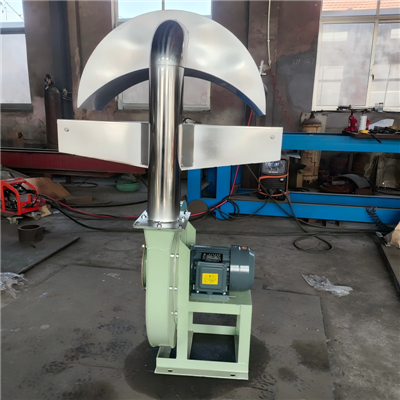
If you’re tired of losing money to bad feeding, let’s chat. We’ve worked with small 1-person job shops all the way up to big packaging plants, and we can help you figure out the biggest efficiency win for your line—whether that’s a quick calibration, a low-cost add-on, or a full system upgrade. No sales pitch, no pressure, just honest advice from someone who’s been in this game long enough to know what actually works.
Plastic Crushing Equipment References
- Plastics Industry Association. (2022). Key Performance Metrics for Extrusion and Injection Molding Operations.
- Society of Plastics Engineers. (2021). Material Flow Challenges in Plastic Processing Equipment.
- Gardner, J. (2023). Efficiency Improvements in Gravimetric Feeding Systems for Low-Volume Plastic Manufacturing. Journal of Plastics Technology, 19(2), 45-58.
- International Society of Automation. (2022). Modular Process Control for Flexible Packaging Lines.
Laizhou Yuening Machinery Co., Ltd.
As one of the most reliable plastic feeding equipment manufacturers in China, we warmly welcome you to buy cheap plastic feeding equipment made in China here from our factory. All customized machines are with high quality and low price. For pricelist, contact us now.
Address: Yuanjia Village, Luwang, Shahe Town, Laizhou City, Yantai City, Shandong Province
E-mail: yueningjixie@163.com
WebSite: https://www.ynplasticmachinery.com/
