When it comes to the world of abrasives, a grinding wheel is a key player. As a grinding wheels supplier, I’ve seen firsthand how the quality of these wheels can make or break a project. So, how do I check the quality of a new grinding wheel? Let’s dive in and explore the ins and outs of this crucial process. Grinding Wheels

Visual Inspection
The first step in checking the quality of a grinding wheel is a simple visual inspection. I always take a good look at the wheel right out of the box. First off, I check for any visible cracks or chips on the surface. Cracks can cause the wheel to break apart during operation, which is not only dangerous but also means the wheel is no good. Even a small chip can lead to uneven grinding and premature wear.
I also pay attention to the overall finish of the wheel. A high – quality grinding wheel should have a smooth and consistent surface. Any rough patches or irregularities could indicate problems with the manufacturing process. For example, if the bonding material is not evenly distributed, it can affect the wheel’s performance and durability.
Another thing I look at is the labeling. The label should clearly state the wheel’s specifications, such as the grit size, hardness, and the type of abrasive material used. If the label is missing or the information is unclear, it’s a red flag. I need to know exactly what I’m dealing with so that I can recommend the right wheel to my customers for their specific applications.
Sound Test
A sound test is a quick and easy way to check for internal defects in a grinding wheel. I gently tap the wheel with a non – metallic object, like a wooden mallet or a piece of plastic. A good quality wheel will produce a clear, ringing sound. If the sound is dull or thud – like, it could mean there are internal cracks or voids in the wheel.
This test works because a solid, well – made wheel will vibrate evenly when struck, creating a distinct sound. On the other hand, a wheel with internal damage will have an irregular vibration pattern, resulting in a less clear sound. It’s a simple yet effective method that can save a lot of trouble down the line.
Balance Check
A balanced grinding wheel is essential for smooth and efficient operation. Unbalanced wheels can cause excessive vibration, which not only affects the quality of the grinding but also puts extra stress on the machine and can lead to premature wear of both the wheel and the equipment.
To check the balance of a new grinding wheel, I use a balancing arbor. I mount the wheel on the arbor and place it on a set of precision bearings. If the wheel is balanced correctly, it will stay in a stable position. If it starts to rotate or wobble, it means the wheel is out of balance.
In some cases, minor imbalances can be corrected by adding small weights to the wheel. However, if the imbalance is significant, the wheel may need to be replaced. As a supplier, I make sure to provide my customers with balanced wheels to ensure optimal performance.
Abrasive Material Quality
The quality of the abrasive material is a major factor in determining the performance of a grinding wheel. Different abrasive materials have different properties, and the right choice depends on the application. For example, aluminum oxide is a common abrasive material that is suitable for grinding ferrous metals, while silicon carbide is better for non – ferrous metals and ceramics.
I always check the source of the abrasive material. Reputable manufacturers use high – quality raw materials that are carefully selected and processed. I look for wheels made from well – known brands or those that have a good reputation in the industry.
I also consider the grit size of the abrasive. The grit size determines the coarseness of the wheel. A larger grit size is used for rough grinding, while a smaller grit size is used for fine finishing. The grit should be evenly distributed throughout the wheel for consistent performance.
Bonding Material Quality
The bonding material holds the abrasive grains together and determines the wheel’s strength and durability. There are different types of bonding materials, such as vitrified, resinoid, and rubber. Each type has its own advantages and is suitable for different applications.
I check the quality of the bonding material by looking at how well it holds the abrasive grains. A good bonding material will keep the grains firmly in place during grinding, preventing them from falling out prematurely. I also look for signs of over – or under – curing of the bonding material. Over – cured bonding can make the wheel brittle, while under – cured bonding can result in a weak wheel.
Testing in a Controlled Environment
Sometimes, a visual inspection and basic tests aren’t enough. That’s when I test the grinding wheel in a controlled environment. I use a test machine to simulate the actual grinding conditions. This allows me to evaluate the wheel’s performance in terms of cutting ability, grinding efficiency, and surface finish.
During the test, I monitor the temperature of the wheel and the workpiece. Excessive heat can cause the wheel to wear out quickly or damage the workpiece. I also check for any signs of wheel loading, which occurs when the abrasive grains become clogged with the material being ground.
Based on the results of the test, I can make a more accurate assessment of the wheel’s quality. If the wheel performs well in the test, I can be confident in recommending it to my customers.
Customer Feedback
Customer feedback is an invaluable source of information when it comes to checking the quality of grinding wheels. I always encourage my customers to share their experiences with the wheels they purchase. If a customer reports issues such as poor performance, excessive wear, or safety concerns, I take it very seriously.
I use this feedback to identify any potential problems with the wheels and work with the manufacturers to address them. It also helps me to improve my product selection and provide better recommendations to my customers in the future.
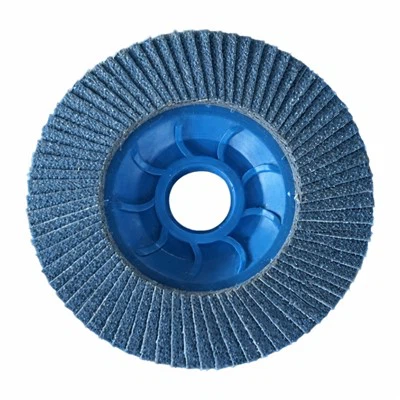
In conclusion, checking the quality of a new grinding wheel is a multi – step process that involves visual inspection, sound tests, balance checks, and evaluating the quality of the abrasive and bonding materials. Testing in a controlled environment and considering customer feedback are also important aspects. As a grinding wheels supplier, I’m committed to providing high – quality products to my customers. If you’re in the market for grinding wheels and want to ensure you’re getting the best quality, don’t hesitate to reach out to me. Let’s have a chat about your specific needs and find the perfect grinding wheel for your project.
Ceramic Flap Disc References
- "Grinding Technology: Theory and Applications of Machining with Abrasives" by Stephen Malkin
- "Handbook of Abrasive Technology" edited by Peter C. Keating
Henan Yandisc Hardware Tools Co., Ltd.
Address: Zinan Road, High-tech Industrial Development Zone, Zhengzhou, Henan, China
E-mail: info@yandisc.com
WebSite: https://www.yandisc.com/
