Hey there! I’m a supplier of PVC pipes, and I often get asked about the chemical resistance of these pipes. So, I thought I’d take a bit of time to chat about it. PVC Pipe
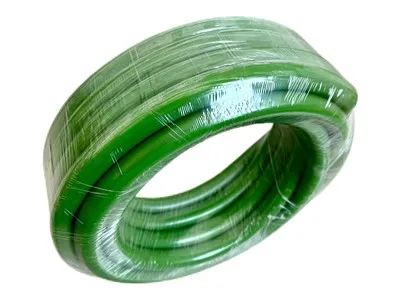
First off, let’s understand what PVC is. PVC stands for polyvinyl chloride. It’s a type of plastic that’s been around for a long time. PVC pipes are super popular because they’re cheap, easy to install, and have a bunch of great properties, one of which is chemical resistance.
Now, when we talk about chemical resistance, we’re basically looking at how well a material can stand up to different chemicals without getting damaged. For PVC pipes, it’s a mixed bag. They’re pretty resistant to a lot of common chemicals, but there are some they don’t play well with.
Let’s start with the good news. PVC pipes can handle a wide range of acids and alkalis. Weak acids, like acetic acid (which you find in vinegar), don’t really do much to PVC. Even some moderately strong acids, as long as they’re not super concentrated, won’t cause major issues. For example, hydrochloric acid at a low concentration can be transported through PVC pipes without any immediate problems.
Alkalis are also generally okay. Sodium hydroxide solutions at normal concentrations used in some industrial processes can flow through PVC pipes without corroding them quickly. This makes PVC pipes suitable for a lot of plumbing applications in homes and industries where these types of chemicals might be present in small amounts.
Another area where PVC shines is in its resistance to salts. Most common salts, like sodium chloride (table salt), don’t have a significant effect on PVC. This is great for applications like irrigation systems, where the water might contain some dissolved salts. The pipes won’t break down easily due to the salt content.
PVC pipes are also resistant to many organic solvents. Things like alcohols and some mild hydrocarbons won’t cause the pipes to dissolve or degrade rapidly. This makes them useful in some chemical storage and transfer systems where these types of substances are involved.
But, it’s not all sunshine and rainbows. There are some chemicals that PVC pipes just can’t handle. Strong oxidizing agents are a big no – no. For example, concentrated nitric acid is extremely corrosive to PVC. It can react with the PVC, breaking down its molecular structure and causing the pipe to become brittle and eventually fail.
Some chlorinated solvents are also a problem. Solvents like tetrachloroethylene, which are commonly used in dry – cleaning and some industrial degreasing processes, can dissolve PVC. If you try to use PVC pipes to transport these solvents, you’re likely to end up with leaks and a big mess.
Aromatic hydrocarbons are another group of chemicals that can cause issues. Benzene, toluene, and xylene can all swell and soften PVC over time. This can lead to a loss of structural integrity and make the pipes more prone to bursting or leaking.
So, why is it important to know about the chemical resistance of PVC pipes? Well, if you’re using them in a chemical – handling environment, you need to make sure the pipes can withstand the chemicals they’ll be in contact with. Using the wrong type of pipe can lead to safety hazards, environmental problems, and costly repairs.
For example, in a factory that produces cleaning products, if they use PVC pipes to transport a chemical that PVC can’t handle, it could lead to a chemical spill. This not only endangers the workers but can also contaminate the surrounding environment.
As a PVC pipe supplier, I always make sure to educate my customers about the chemical resistance of the pipes. I ask them about the types of chemicals they’ll be using, their concentrations, and the operating conditions. This way, I can recommend the right type of PVC pipe for their specific needs.
There are also different grades of PVC pipes available, and some are more chemically resistant than others. For example, CPVC (chlorinated polyvinyl chloride) has a higher chlorine content than regular PVC. This gives it better resistance to higher temperatures and some chemicals. If a customer needs to transport hot chemicals or chemicals that are a bit more aggressive, I might recommend CPVC pipes.
In addition to the chemical composition of the pipes, the thickness of the pipe wall also plays a role in chemical resistance. Thicker – walled pipes can generally withstand chemical attacks better than thinner – walled ones. They provide an extra layer of protection and can take a bit more abuse before they start to show signs of damage.
When it comes to installation, it’s also important to consider the chemical environment. If the pipes are going to be exposed to chemicals in the soil or in the air, proper insulation and protection might be needed. For example, if the pipes are buried in soil that has a high acid content, a protective coating can be applied to the outside of the pipes to prevent corrosion.
So, to sum it up, PVC pipes have good chemical resistance to many common chemicals, including weak acids, alkalis, salts, and some organic solvents. But they’re not suitable for use with strong oxidizing agents, some chlorinated solvents, and aromatic hydrocarbons. As a supplier, I’m here to help you choose the right PVC pipe for your chemical – handling needs. Whether it’s a small – scale plumbing project at home or a large – scale industrial application, I’ve got the knowledge and the products to make sure you get the best results.
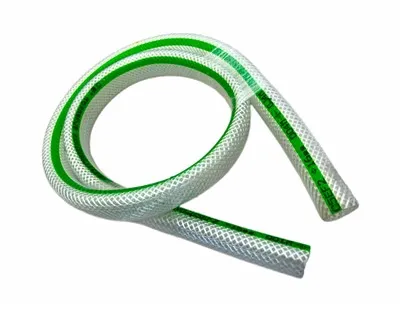
If you’re in the market for PVC pipes and need to know more about their chemical resistance or want to discuss your specific requirements, don’t hesitate to reach out. Let’s have a chat and figure out the perfect solution for you.
PVC Vacuum Hose References
- "Handbook of PVC Pipe Engineering"
- "Plastics in Chemical Engineering: Properties and Applications"
Weifang Xinzhiyuan Plastic Co., Ltd.
As one of the most experienced pvc pipe manufacturers and suppliers in China, we offer a wide range of products with superior quality. Please feel free to wholesale premium pvc pipe made in China here from our factory. We also accept customized orders.
Address: No. 700, Tongle Street, Economic Development Zone, Changle County, Weifang City, Shandong Province
E-mail: hua@xzypvchose.com
WebSite: https://www.pvchose-xzy.com/
