Hey there! I’m just your average guy running a power transmission towers supply business. Today, I wanna chat about how these bad boys work in coastal areas. It’s a topic that’s super important to me, not just ’cause I’m in the business, but ’cause it’s a unique challenge that we’ve gotta tackle head – on. Power Transmission Towers
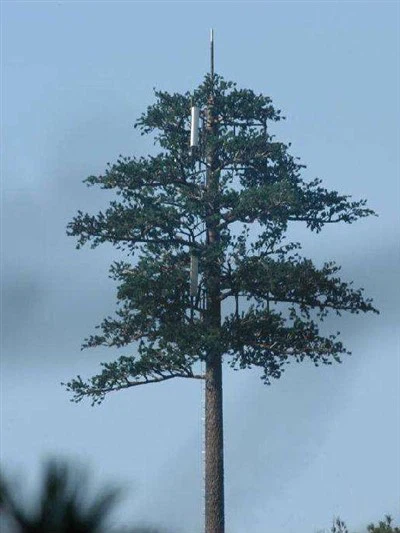
First off, let’s talk about what power transmission towers are for. These towers are basically the backbone of our electrical grid. They hold up the high – voltage power lines that carry electricity from power plants all the way to our homes and our workplaces. You can think of them as the highways for electrons.
Now, coastal areas are a whole different ballgame compared to inland regions. The environment in coastal areas is way more harsh. You’ve got the saltwater in the air, the strong winds, and the occasional storms like hurricanes or typhoons. All these factors make it a tough job for power transmission towers to do their thing.
Let’s start with the saltwater corrosion. The air in coastal areas is full of tiny salt particles. When these particles come into contact with the metal parts of the power transmission towers, they start a chemical reaction. This reaction is called corrosion. It eats away at the metal, weakening the structure of the tower over time. To deal with this, we use special coatings on our towers. These coatings act like a shield, protecting the metal from the salt. We’ve got different types of coatings, some are epoxy – based, and some are zinc – rich. They’re all designed to be super durable and resist the corrosive effects of the saltwater.
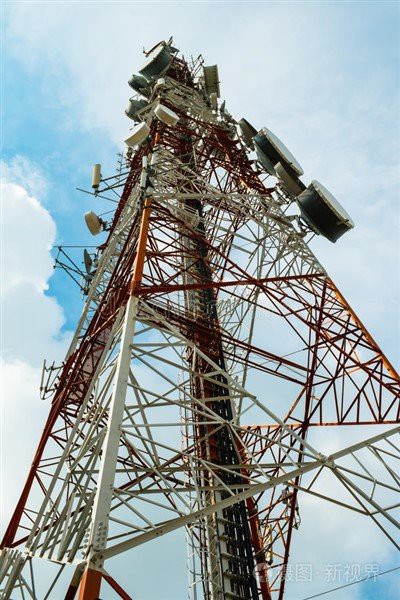
Another big issue in coastal areas is the wind. The wind near the coast can be really strong, especially during storms. These strong winds put a lot of stress on the power transmission towers. They can cause the towers to sway, and if the wind is strong enough, it can even knock them down. To make our towers wind – resistant, we design them with a special shape. We use triangular or lattice structures. These shapes are really good at distributing the wind load evenly across the tower. So instead of all the force being concentrated in one spot, it gets spread out, making the tower more stable.
We also use guy wires. These are thick cables that are attached to the tower and anchored to the ground. They act like extra support, helping to keep the tower upright when the wind blows. The number and placement of the guy wires depend on the height of the tower and the local wind conditions. In areas with really strong winds, we’ll use more guy wires and anchor them more securely.
Storms are another major concern in coastal areas. Hurricanes and typhoons can bring extremely strong winds, heavy rain, and even flooding. When a big storm is coming, the last thing you want is for your power transmission towers to go down. That would mean a blackout for a lot of people. To prepare for these storms, we conduct regular inspections of our towers. We check for any signs of damage or wear and tear, and we make any necessary repairs.
We also make sure that the foundations of our towers are really solid. In coastal areas, the ground can be soft and sandy, which makes it a bit more challenging to build a stable foundation. But we use techniques like deep piling. We drive long piles deep into the ground until we reach a more solid layer. Then we attach the tower to these piles. This way, the tower has a strong and stable base, even in the face of a big storm.
But it’s not just about the physical structure of the towers. We also need to think about how the power lines themselves are affected by the coastal environment. The saltwater can also cause problems for the power lines, like making them more brittle over time. So we use special conductors that are more resistant to corrosion. These conductors are made from materials like aluminum – alloy, which is less likely to corrode than pure aluminum or copper.
We also need to consider the spacing between the power lines. In coastal areas, the wind can cause the lines to sway and come into contact with each other. This can lead to short – circuits and power outages. So we make sure to space the lines far enough apart to prevent this from happening.
Now, I know all this might sound like a lot of technical stuff, but it’s all part of making sure that the power keeps flowing in coastal areas. And that’s where we come in as a power transmission towers supplier. We’ve got the expertise and the experience to design and build towers that can withstand the tough coastal environment.
We use the latest technology and materials to make our towers as strong and reliable as possible. We’ve worked on many projects in coastal areas, and we’ve learned a lot along the way. We know what works and what doesn’t, and we’re constantly improving our designs and techniques.
If you’re in the market for power transmission towers, especially for a coastal project, we’re here to help. We can provide you with towers that are not only built to last but also tailored to your specific needs. Whether you need a small tower for a local project or a large – scale tower for a major power grid expansion, we’ve got you covered.
Reaching out to us is a piece of cake. Just drop us a line to discuss your project requirements. We’re always eager to chat and find the best solutions for you. Whether it’s specific design needs, budget constraints, or installation logistics, we’re all ears.
Power Transmission Towers References
- "Power Transmission and Distribution Handbook"
- "Coastal Engineering Manual"
- Industry research on corrosion – resistant materials for power structures
Hebei Yifeng Steel Structure Co., Ltd.
As one of the most professional power transmission towers manufacturers and suppliers in China, we offer a wide range of products with superior quality. Please feel free to buy cost-efficient power transmission towers for sale here from our factory. Contact us for more details.
Address: Guangchuan Town Industrial Zone, Jing County, Hengshui City, Hebei Province
E-mail: hbyfgjg@163.com
WebSite: https://www.yf-powertowers.com/
