As a supplier of MJP 3D printers, I often get asked about the weight of these machines. Understanding the weight of an MJP 3D printer is crucial for various reasons, including transportation, installation, and workspace planning. In this blog post, I’ll delve into the details of the weight of MJP 3D printers, exploring why it matters and how it can impact your 3D printing operations. MJP 3D Printer
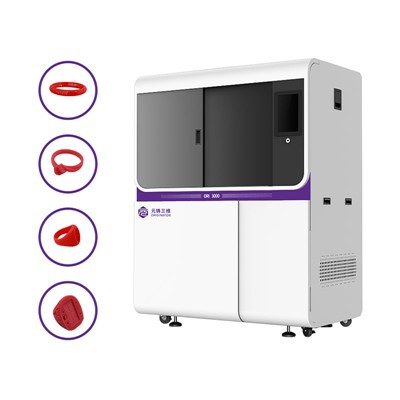
Why the Weight of an MJP 3D Printer Matters
Transportation
The weight of an MJP 3D printer plays a significant role in its transportation. When you’re moving the printer from the manufacturing facility to your location, a heavier printer requires more robust transportation methods. For example, a large and heavy MJP 3D printer may need to be shipped on a flatbed truck with proper securing mechanisms to prevent damage during transit. On the other hand, a lighter printer might be more easily transported in a smaller vehicle, which can save on shipping costs and reduce the complexity of the transportation process.
Installation
During the installation process, the weight of the printer is a critical factor. A heavier printer needs a sturdy and level surface to ensure stable operation. If the surface is not strong enough to support the weight of the printer, it can lead to vibrations during the printing process, which may affect the quality of the printed parts. Additionally, installing a heavy printer may require more manpower and specialized equipment, such as forklifts or hoists, to safely move the printer into place.
Workspace Planning
When planning your workspace for an MJP 3D printer, the weight of the printer is an important consideration. You need to ensure that the floor can support the weight of the printer and any additional equipment that may be used in conjunction with it. A heavier printer may also require more space around it to allow for proper ventilation and access for maintenance. By knowing the weight of the printer in advance, you can make informed decisions about the layout of your workspace and ensure that it is suitable for the printer’s operation.
Factors Affecting the Weight of MJP 3D Printers
Size and Build Volume
One of the primary factors that affect the weight of an MJP 3D printer is its size and build volume. Larger printers with a greater build volume typically weigh more than smaller ones. This is because they require more materials to construct the frame, the printing mechanism, and the support structures. For example, a large MJP 3D printer with a build volume of 300 x 300 x 200 mm may weigh significantly more than a smaller printer with a build volume of 100 x 100 x 100 mm.
Printing Technology
The printing technology used in an MJP 3D printer can also impact its weight. Different printing technologies require different components and mechanisms, which can vary in weight. For instance, printers that use a more complex printing technology may have additional components such as multiple print heads, resin tanks, and curing systems, which can increase the overall weight of the printer.
Materials and Construction
The materials used in the construction of an MJP 3D printer can have a significant impact on its weight. Printers made from high – quality, durable materials such as steel or aluminum tend to be heavier than those made from lighter materials like plastic. However, the use of heavier materials often results in a more robust and stable printer, which can lead to better printing performance and longer lifespan.
Typical Weights of MJP 3D Printers
The weight of MJP 3D printers can vary widely depending on the model and its specifications. Smaller desktop MJP 3D printers may weigh anywhere from 10 to 50 kilograms. These printers are often designed for hobbyists or small – scale production and are relatively easy to move and install.
Medium – sized MJP 3D printers, which are commonly used in professional settings for prototyping and small – batch production, typically weigh between 50 and 200 kilograms. These printers offer a larger build volume and more advanced features, but they also require a more substantial workspace and a stronger support surface.
Large industrial MJP 3D printers, which are used for high – volume production and large – scale projects, can weigh several hundred kilograms or even more. These printers are usually installed in dedicated manufacturing facilities and require specialized installation and maintenance procedures.
How to Determine the Weight of a Specific MJP 3D Printer
If you’re interested in purchasing an MJP 3D printer, it’s important to know the exact weight of the specific model you’re considering. The best way to obtain this information is to consult the manufacturer’s specifications. Most manufacturers provide detailed technical information about their printers, including the weight, on their websites or in product brochures.
You can also contact the manufacturer’s sales representatives directly. They can provide you with accurate and up – to – date information about the weight of the printer, as well as any other questions you may have about the product.
Impact of Weight on 3D Printing Performance
While the weight of an MJP 3D printer is mainly related to transportation, installation, and workspace planning, it can also have a minor impact on the printing performance. A heavier printer is generally more stable, which can reduce vibrations during the printing process. Reduced vibrations can lead to better print quality, especially for high – resolution prints.
On the other hand, a lighter printer may be more prone to vibrations, which can cause issues such as layer shifting or rough surfaces on the printed parts. However, modern 3D printers are designed with various vibration – damping mechanisms to minimize these effects, regardless of their weight.
Conclusion
In conclusion, the weight of an MJP 3D printer is an important factor to consider when purchasing and operating these machines. It affects transportation, installation, and workspace planning, and can also have a minor impact on printing performance. By understanding the factors that affect the weight of MJP 3D printers and knowing the typical weights of different models, you can make an informed decision about which printer is right for your needs.
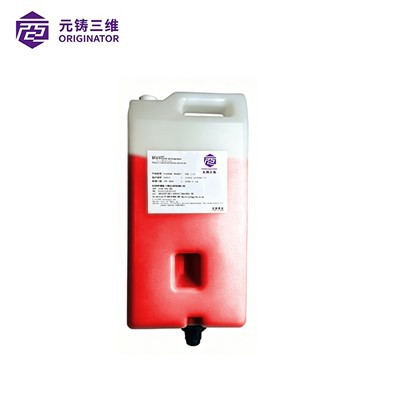
Wax 3D Printer If you’re in the market for an MJP 3D printer and have questions about its weight or any other aspects of the product, I encourage you to reach out to me. I’m here to help you find the perfect 3D printer for your business and guide you through the purchasing process. Whether you’re a small – scale business looking for a compact printer or a large – scale manufacturer in need of an industrial – grade machine, I can provide you with the information and support you need.
References
- Manufacturer’s product brochures for MJP 3D printers
- Technical specifications provided on the official websites of MJP 3D printer manufacturers
- Industry reports on 3D printing technology and equipment
Hangzhou Originator 3D Technology Co., Ltd.
Hangzhou Originator 3D Technology Co., Ltd. is one of the most experienced mjp 3d printer manufacturers and suppliers in China. With abundant experience, we warmly welcome you to wholesale high quality mjp 3d printer made in China here from our factory. Contact us for more details.
Address: Room 403, Building 2, Block B, Heda Incubation Park,No. 452, 6th Avenue, Xiasha, Qiantang District,Hangzhou, Zhejiang, China
E-mail: Sales@originator3d.com
WebSite: https://www.originator3d.com/
