As a seasoned supplier of butt fusion fittings, I’ve witnessed firsthand the importance of proper repair techniques in ensuring the longevity and efficiency of these essential components. In this blog post, I’ll share my insights on how to repair butt fusion fittings, drawing on my years of experience in the industry. Butt Fusion Fittings
Understanding Butt Fusion Fittings
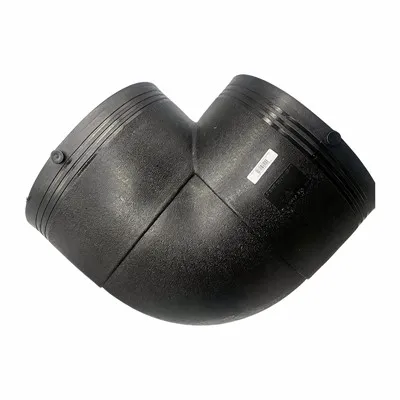
Before delving into the repair process, it’s crucial to understand what butt fusion fittings are and how they work. Butt fusion fittings are used to join two pieces of thermoplastic pipe together by heating the ends of the pipes and then fusing them under pressure. This method creates a strong, leak-proof joint that is often used in a variety of applications, including water supply, gas distribution, and industrial piping systems.
Common Issues with Butt Fusion Fittings
Despite their durability, butt fusion fittings can sometimes develop issues over time. Some of the most common problems include:
- Cracks: Cracks can occur due to stress, improper installation, or exposure to extreme temperatures.
- Leakage: Leakage can be caused by a variety of factors, including poor fusion, damaged seals, or corrosion.
- Deformation: Deformation can occur due to excessive pressure, improper support, or exposure to high temperatures.
Repairing Butt Fusion Fittings
The repair process for butt fusion fittings will depend on the specific issue that you’re facing. Here are some general steps that you can follow to repair common problems:
Step 1: Identify the Problem
The first step in any repair process is to identify the problem. This may involve inspecting the fitting for visible damage, such as cracks or leaks, or using specialized equipment to test the integrity of the joint. Once you’ve identified the problem, you can determine the best course of action for repair.
Step 2: Prepare the Fitting
Before you begin the repair process, you’ll need to prepare the fitting. This may involve cleaning the fitting to remove any dirt, debris, or contaminants that could interfere with the repair. You may also need to cut away any damaged or deformed sections of the fitting to expose the clean, undamaged surface.
Step 3: Heat the Fitting
Once the fitting is prepared, you’ll need to heat it to the appropriate temperature for fusion. This is typically done using a butt fusion machine, which applies heat to the ends of the pipes to soften the plastic. The temperature and duration of the heating process will depend on the type of plastic used in the fitting and the manufacturer’s recommendations.
Step 4: Join the Fitting
After the fitting is heated to the appropriate temperature, you’ll need to join the two pieces together under pressure. This is typically done using a butt fusion machine, which applies pressure to the ends of the pipes to create a strong, leak-proof joint. The pressure and duration of the joining process will depend on the type of plastic used in the fitting and the manufacturer’s recommendations.
Step 5: Cool the Fitting
Once the fitting is joined, you’ll need to allow it to cool to room temperature. This is typically done by allowing the fitting to sit for a specified period of time, as recommended by the manufacturer. During the cooling process, the plastic will harden and form a strong, permanent bond.
Step 6: Test the Fitting
After the fitting has cooled, you’ll need to test it to ensure that it is functioning properly. This may involve using specialized equipment to test the integrity of the joint, such as a pressure tester or a leak detector. If the fitting passes the test, it is ready to be installed and used in your piping system.
Tips for Repairing Butt Fusion Fittings
Here are some tips to help you repair butt fusion fittings effectively:
- Follow the Manufacturer’s Recommendations: Always follow the manufacturer’s recommendations for heating, joining, and cooling the fitting. This will ensure that the repair is done correctly and that the fitting will function properly.
- Use the Right Tools and Equipment: Make sure that you have the right tools and equipment for the job. This may include a butt fusion machine, a pipe cutter, a cleaning brush, and a pressure tester.
- Take Your Time: Repairing butt fusion fittings can be a time-consuming process, so it’s important to take your time and do it right. Rushing the repair process can lead to mistakes and may result in a faulty joint.
- Inspect the Fitting Regularly: Once the fitting is repaired, it’s important to inspect it regularly to ensure that it is functioning properly. This may involve checking for leaks, cracks, or other signs of damage.
Conclusion
Repairing butt fusion fittings is an important part of maintaining the integrity and efficiency of your piping system. By following the steps outlined in this blog post and using the tips provided, you can repair common problems with butt fusion fittings effectively and ensure that your system is functioning properly.
Electrofusion Fittings If you’re in the market for high-quality butt fusion fittings, look no further. As a leading supplier of butt fusion fittings, we offer a wide range of products to meet your needs. Our fittings are made from the highest quality materials and are designed to provide reliable, long-lasting performance. Contact us today to learn more about our products and how we can help you with your piping system needs.
References
- ASTM D2657: Standard Test Method for Tensile Properties of Thermoplastic Pipe and Fittings.
- ISO 21307: Plastics Pipes and Fittings – Determination of the Resistance to Slow Crack Growth of Thermoplastics Pipes by Notched Pipe Test.
- PE100+ Association: Guidelines for the Design and Installation of PE100 and PE80 Pipes for Water and Gas.
Qingdao Polyfusion Machinery Co., Ltd.
As one of the most professional butt fusion fittings manufacturers and suppliers in China, we have world-leading production equipment and strong manufacturing capabilities. Please feel free to buy bulk high quality butt fusion fittings from our factory.
Address: Chengyang Industry Zone, Chengyang, Qingdao, Shandong, China
E-mail: export01@qdpolyfusion.com
WebSite: https://www.polyfusionfittings.com/
