Troubleshooting thermocouples is a crucial skill for anyone working with temperature measurement systems. As a thermocouples supplier, I’ve encountered a wide range of issues over the years. In this blog, I’ll share some of the most common problems and how to address them. Thermocouples
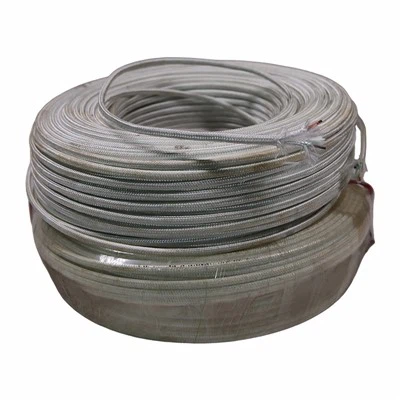
Understanding Thermocouples
Before we dive into troubleshooting, let’s briefly review how thermocouples work. A thermocouple is a sensor used to measure temperature. It consists of two different metals joined together at one end. When there is a temperature difference between the junction (the joined end) and the other ends of the metals, a voltage is generated. This voltage is proportional to the temperature difference, and by measuring it, we can determine the temperature at the junction.
Common Thermocouple Problems and Solutions
1. Inaccurate Temperature Readings
One of the most common issues is inaccurate temperature readings. There are several reasons why this might occur:
- Calibration Issues: Over time, thermocouples can drift from their original calibration. This can happen due to factors such as exposure to high temperatures, mechanical stress, or chemical contamination. To address this, it’s important to regularly calibrate your thermocouples. You can use a calibration furnace or a reference thermocouple to check and adjust the readings.
- Thermocouple Material Degradation: The metals in a thermocouple can degrade over time, especially if they are exposed to harsh environments. For example, in high – temperature applications, oxidation can occur, which can change the electrical properties of the thermocouple. If you suspect material degradation, you may need to replace the thermocouple.
- Incorrect Installation: Improper installation can also lead to inaccurate readings. For example, if the thermocouple is not inserted deep enough into the process, it may not accurately measure the temperature. Make sure to follow the manufacturer’s installation guidelines for your specific thermocouple.
2. No Output Voltage
If your thermocouple is not producing any output voltage, there are a few possible causes:
- Open Circuit: A break in the thermocouple wire can result in an open circuit. This can be caused by physical damage, such as cutting or bending the wire. To check for an open circuit, you can use a multimeter to measure the resistance across the thermocouple. If the resistance is infinite, there is an open circuit. In this case, you will need to repair or replace the thermocouple.
- Connection Problems: Loose or corroded connections can also prevent the thermocouple from producing an output voltage. Check all the connections between the thermocouple and the measuring device. Make sure they are tight and free of corrosion. If necessary, clean the connections and re – tighten them.
- Thermocouple Failure: In some cases, the thermocouple itself may have failed. This can be due to factors such as excessive heat, chemical damage, or mechanical stress. If you have ruled out other possible causes, you may need to replace the thermocouple.
3. Erratic Readings
Erratic readings can be frustrating and difficult to diagnose. Here are some possible causes:
- Electrical Interference: Electrical interference from nearby equipment, such as motors or power lines, can cause erratic readings. To reduce electrical interference, you can use shielded cables for the thermocouple and make sure the measuring device is properly grounded.
- Thermal Cycling: Frequent changes in temperature can cause stress on the thermocouple, leading to erratic readings. If your application involves thermal cycling, consider using a thermocouple that is designed to withstand these conditions.
- Thermocouple Aging: As thermocouples age, their performance can deteriorate, resulting in erratic readings. If you suspect aging is the cause, it may be time to replace the thermocouple.
Troubleshooting Steps
When troubleshooting a thermocouple, it’s important to follow a systematic approach. Here are the steps you can take:
- Visual Inspection: Start by visually inspecting the thermocouple for any signs of physical damage, such as cuts, bends, or corrosion. Check the connections to make sure they are secure.
- Check the Measuring Device: Use a multimeter to measure the output voltage of the thermocouple. Compare the reading with the expected value based on the temperature. If the reading is significantly different, there may be a problem with the thermocouple or the measuring device.
- Check for Electrical Interference: If the readings are erratic, check for electrical interference. Try moving the thermocouple away from sources of interference or use shielded cables.
- Calibrate the Thermocouple: If the readings are inaccurate, calibrate the thermocouple using a calibration furnace or a reference thermocouple. Follow the manufacturer’s instructions for calibration.
- Replace the Thermocouple: If all else fails, it may be necessary to replace the thermocouple. Make sure to choose a thermocouple that is suitable for your application.
Importance of Quality Thermocouples
Using high – quality thermocouples is essential for accurate temperature measurement. As a thermocouples supplier, we understand the importance of providing reliable products. Our thermocouples are made from high – quality materials and are carefully manufactured to ensure accurate and consistent performance.
When you purchase thermocouples from us, you can expect:
- Accuracy: Our thermocouples are calibrated to provide accurate temperature readings.
- Durability: We use high – quality materials that can withstand harsh environments and thermal cycling.
- Customization: We offer a range of thermocouples that can be customized to meet your specific requirements.
Conclusion
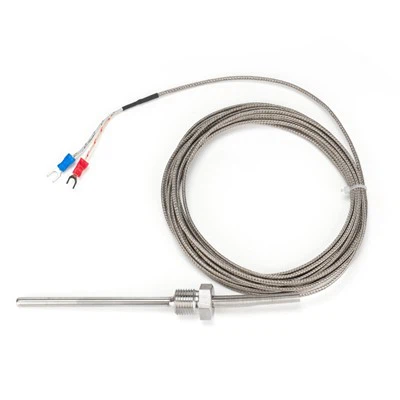
Troubleshooting thermocouples can be a challenging task, but by following the steps outlined in this blog, you can identify and address common problems. Remember to regularly calibrate your thermocouples and use high – quality products to ensure accurate temperature measurement.
Digital Temperature Controller If you are experiencing issues with your thermocouples or are looking to purchase new ones, we are here to help. Our team of experts can provide you with the guidance and support you need. Contact us to discuss your requirements and let us help you find the right thermocouples for your application.
References
- "Temperature Measurement Handbook" by John C. Masters
- "Thermocouples: Theory and Practice" by Robert P. Reed
Jiangsu Zhaolong Electric Co., Ltd.
We’re well-known as one of the leading thermocouples manufacturers and suppliers in China, featured by quality products and low price. Please feel free to buy customized thermocouples made in China here from our factory. Contact us for more details.
Address: No. 80, Zhangguo Chang’an Road, Dainan Town, Xinghua City, Jiangsu Province
E-mail: 180193845@qq.com
WebSite: https://www.cnzhaolong.com/
